

Some of President Donald Trump’s supporters said they support the administration’s recent efforts to further America’s interests in the world’s safety through action in Venezuela and potential military intervention in Iran and Greenland. But others were more conflicted.
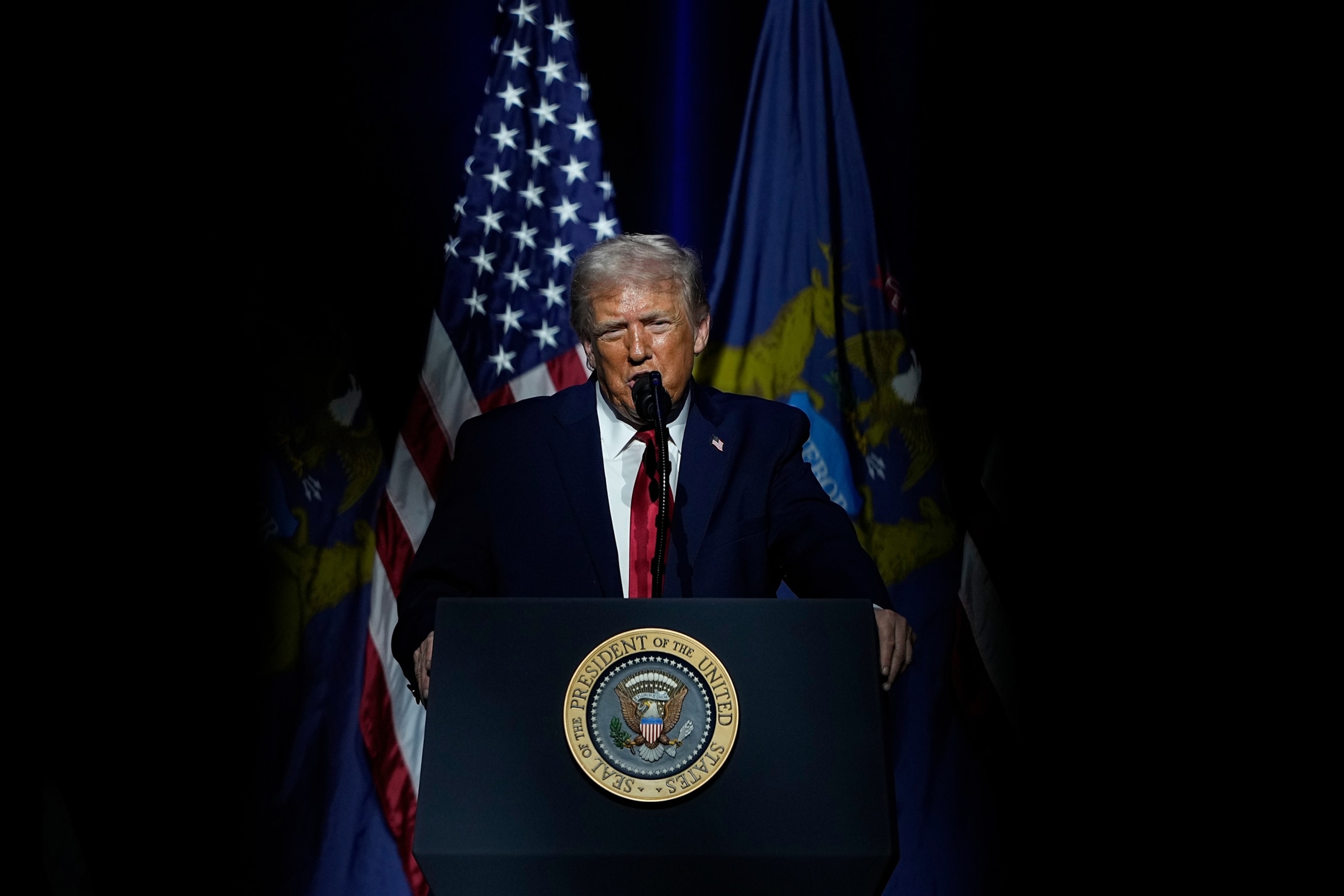
President Donald Trump speaks at the Detroit Economic Club, Jan. 13, 2026 in Detroit.
Ryan Sun/AP
ABC News spoke with some of Trump’s 2024 voters who responded to the late October ABC News/Washington Post/Ipsos poll on the Trump administration, the economy and since-concluded government shutdown.
Kay Wattigney, a voter from Louisiana who is retired, told ABC News she supported Trump’s decisions on Venezuela — including the capture of Venezuelan President Nicolas Maduro.
“I just think he’s doing the right things,” she said of Trump, adding that Maduro and his government «weren’t [doing the right things] … so he tried to reason with him. They didn’t listen.”
But she said that she feels more uncertain over potential action in Iran or Greenland, and that she would “hate our men to get hurt” if there were potential U.S. military action.
Robert Rose, a caregiver in Arizona, said he was “absolutely elated that the United States, as the assumed enforcer of international law — and assumed by every other nation in the world, that if something happens, the United States is going to take care of it.”
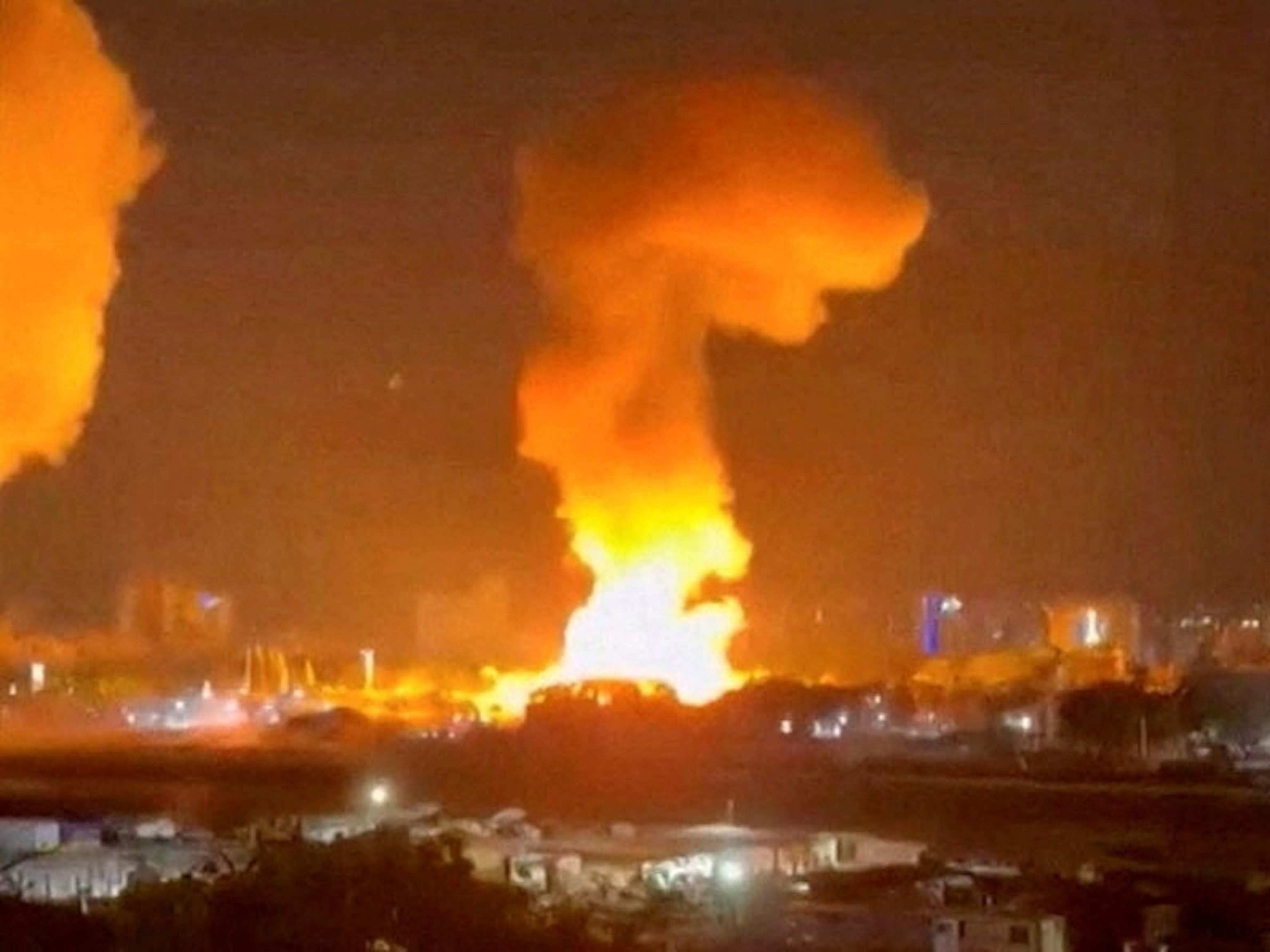
Smoke rises from explosions in Caracas, Venezuela, Jan. 3, 2026, in this screen grab of a video obtained by Reuters.
Video Obtained By Reuters via Reuters
As for Iran, Rose said he does not want boots on the ground, but pointed to how the military could also use cyber operations or technological, covert operations against the regime.
“My idea of a military action is something that is advanced and can be an action that is painless but effective; that is not lethal, but it’s still even more effective than if it were to be lethal,” he said.
He added that he doesn’t think the White House needs to be clearer about possible different types of military actions: «It’s not up to the White House to paint a specific picture.»
On Greenland, Rose said he sees the country as a «strategic necessity for us in this day and age, being poised between China and Russia,” but would want to understand more about the conversations between Denmark and Trump, and if any have led Trump to discuss potentially responding militarily.
Denmark and European allies have pushed back on Trump’s comments on the matter, with Danish Foreign Minister Lars Løkke Rasmussen saying there’s not an «instant threat from China and Russia — at least not a threat we can’t accommodate.”
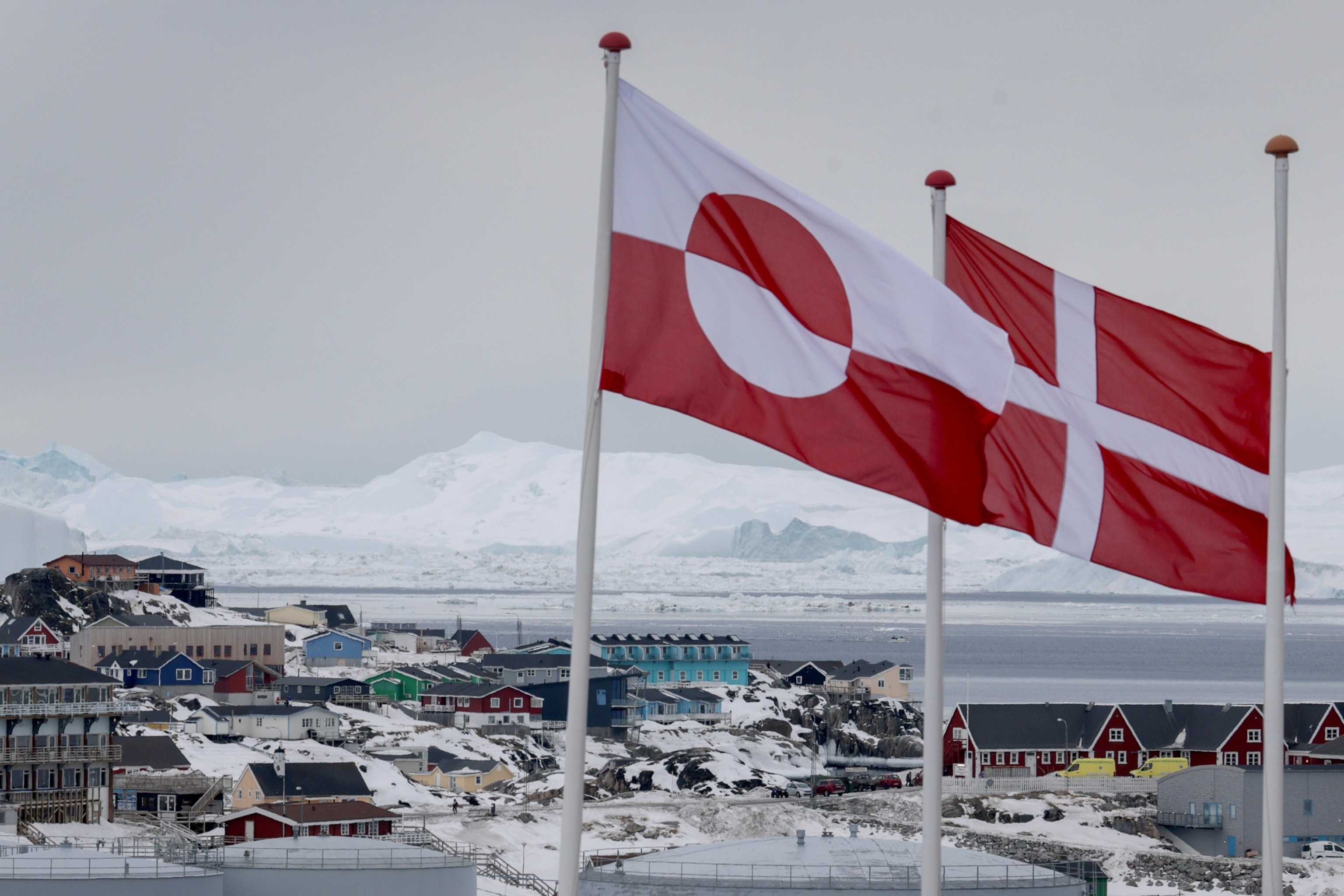
A Greenland flag flies near the flag of Denmark, March 11, 2025, in Ilulissat, Greenland.
Joe Raedle/Getty Images
Janelle Manes, a self-employed voter in Wisconsin who owns her own business, shared a differing opinion. She told ABC News that she does not agree completely with Trump’s decision to strike Venezuela and take Maduro.
«I don’t know the legalities behind that,» she said, adding that she believes the move is «great for the citizens of Venezuela, absolutely.»
While conflicted about whether the move was right, she said she does believe the reason the Trump administration made the move is because of drug trafficking, not to tap Venezuela’s oil.Trump has said that the action in Venezuela was an anti-drug law enforcement operation, though Venezuelan leaders have denied the government is involved in narcotics.
Popular Reads
Manes also said she was opposed to potential military action in Greenland.
«I do not agree with the United States trying to come through and take over Greenland,” she said, contrasting it with Alaska, once a territory that the U.S. purchased from the Russian empire.
Danish and Greenlandic officials have previously said the island isn’t for sale.
Christopher Friedman, a probation officer in Washington state, told ABC News that he voted for Trump mainly based on domestic issues such as crime and the economy.
He said he felt indifferent about the Venezuela operations, since he does not feel any direct impact to his life or know anyone from there.
Friedman said he did personally think the Iranian government was restrictive and a “bad regime,” but regarding the U.S. taking action, Friedman said, “I don’t think we have any, necessarily, any major interests in going there and intervening. I think the people of Iran need to carve out their own destiny.”
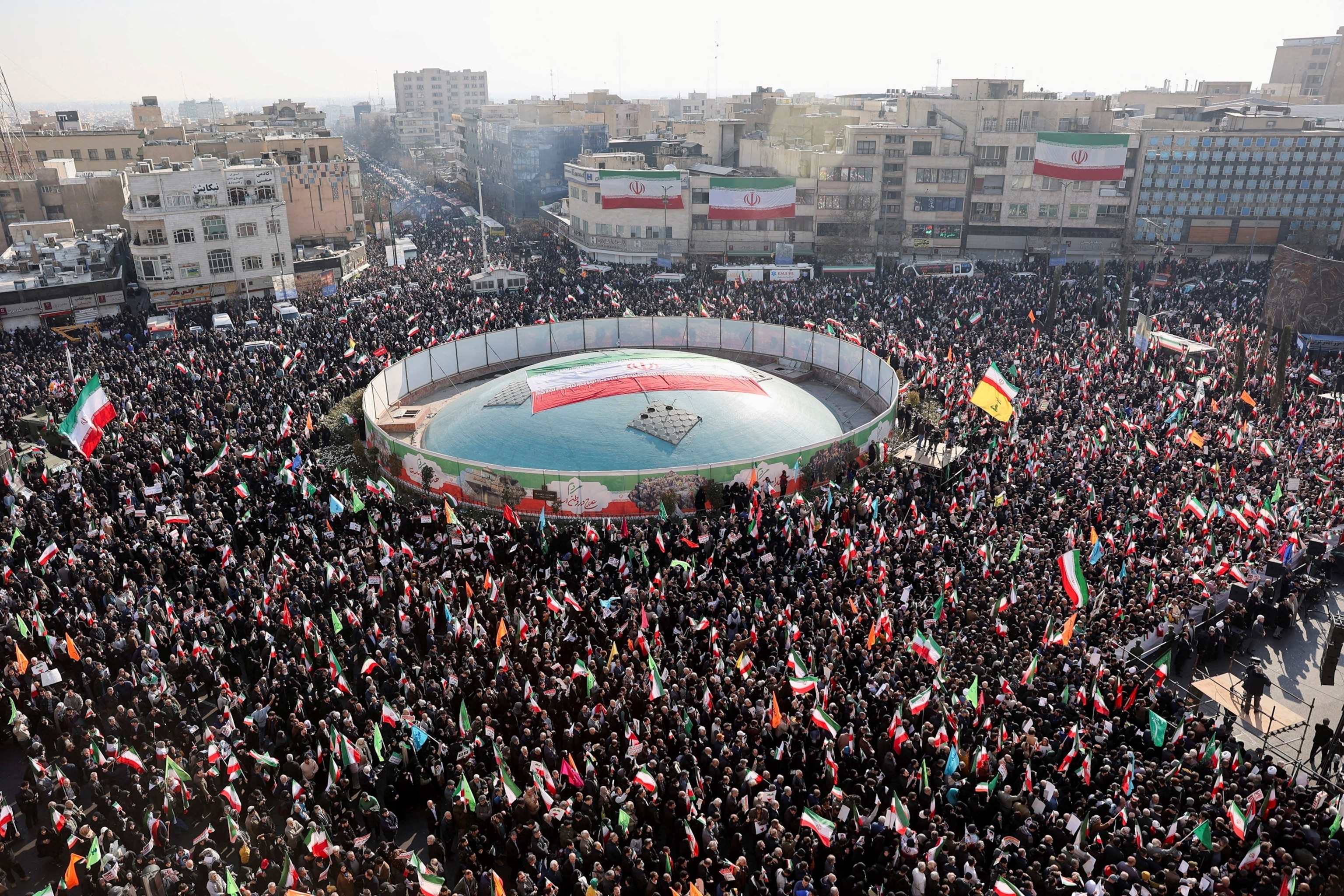
Iranians attend a pro-government rally in Tehran, Iran, January 12, 2026.
West Asia News Agency via Reuters
As for Greenland, Friedman said he did not think the U.S. will take any military action there.
“I don’t think the U.S. should intervene militarily … I don’t think a physical conflict is necessary at least with our European neighbors, where, in such cases, where we could negotiate a peaceful outcome or transition into something that maybe all three parties agree [on]because this is an issue with the U.S, Denmark, and then, of course, the people of Greenland included,” he said.
“So there’s three parties here of interest, and I think there’s three parties then to satisfy.”
He added that he is not opposed to a potential purchase of the territory, given how the U.S. previously purchased Alaska from the Russians or Louisiana from the French — although he said the price of the territory could be concerning given the United States’ current national debt.
The split among the voters who spoke with ABC News over the completed or potential interventions is similar to how Americans are largely split on them more broadly, according to recent polling.
A Quinnipiac University poll published Wednesday found that 70% of U.S. voters say the U.S. should not get involved in Iran if protesters in the country are killed while demonstrating against the Iranian government, including majorities of independent voters (80%), Democratic voters (79%) and Republican voters (53%).
That poll also found that registered voters are roughly split on the Trump administration’s capture of Maduro, with 47% in support and 45% opposed. A majority of Republican voters (85%) support it, while a majority of Democratic voters (79%) oppose it.
A separate Reuters/Ipsos poll published on Wednesday found that two-thirds of Americans (66%) are concerned that U.S. efforts to acquire Greenland will damage the NATO alliance and the U.S. relationship with European allies, including about 9 in 10 Democrats, 7 in 10 independents and 4 in 10 Republicans.
ABC News’ Mariam Khan and Emily Guskin contributed to this report.