
By: Vive Caba Editorial Staff
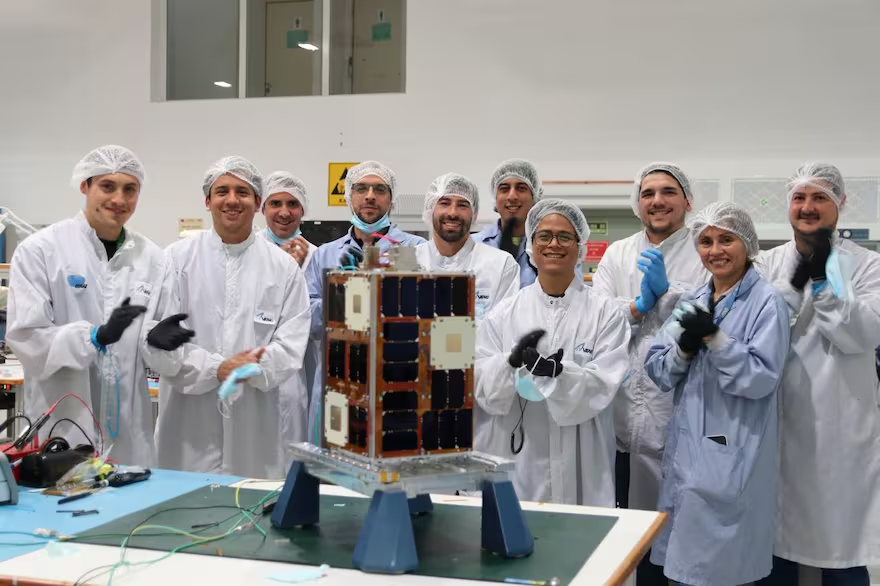
Argentina looks to the sky again, but this time the target is much further away than usual orbits. The next February 6our country will make history by launching the microsatellite Athenawhich will join the prestigious mission Artemis II from NASA bound for the Moon.
This project positions Argentina as one of the four countries selected to collaborate in this stage of the mission, a privilege that arises after years of state investment and the tireless work of the scientific community.
From the UBA to deep space
The development of Athena was not an isolated effort. The CONAE (National Commission for Space Activities) led the call, joining forces with public organizations, private companies and various national universities.
Alejandro Martínezdean of the Faculty of Engineering of the UBA (FIUBA), highlighted the importance of this achievement: «It is a first-class international project. The furthest satellite we launched today is 32,000 kilometers; Atenea will reach 384,000»he explained in a radio conversation.
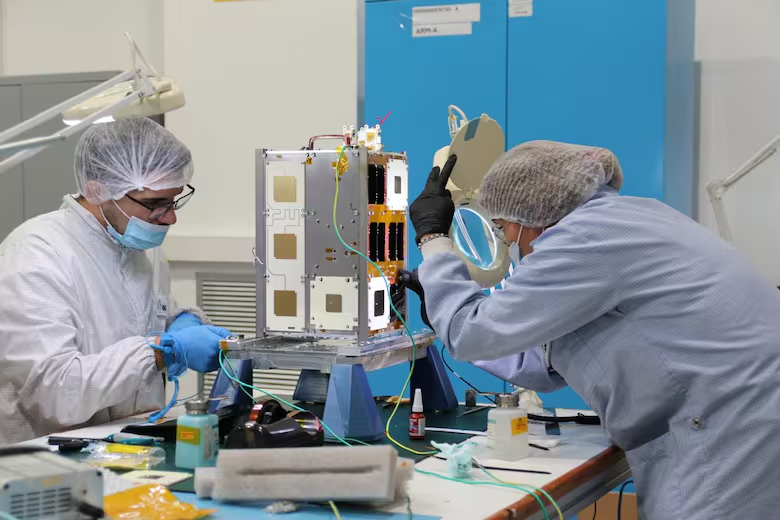
What will Athena do on the Moon?
Unlike other national satellites focused on communications or climate, Atenea has a specific scientific mission:
- Radiation study: It will analyze the extreme conditions of deep space.
- Space phenomena: It will capture data about the lunar environment, where conditions are radically different from those on Earth.
Science in a «difficult context»
Despite the enthusiasm for the launch, the scientific sector does not hide its concern about the current situation. Martínez warned about the budget adjustment and the salary situation in universities: «We do it in a difficult context. Two years ago they decided to iron out salaries»he noted, also warning about the exodus of teachers and researchers.
Even with the headwinds, Atenea’s takeoff symbolizes the resilience of Argentine talent and the ability of our institutions to play in the «big leagues» of space exploration.
From Live digital multimedia communication and websites of key cities in Argentina and the world; We disseminate and promote authors and other indistinct means of communication. We also generate our own journalistic creations and investigations for the service of readers.
We suggest reading the source and expanding with the link above to access the origin of the note.