
For decades, consumption was one of the main indicators of personal progress. Having more goods, changing technology frequently or accessing certain brands was part of an aspirational logic that was well established in large cities. However, in recent years another trend began to emerge, especially among younger sectors: prioritize well-being and quality of life over material consumption.
In different cities, more and more people are reorganizing their habits based on personal balance, free time and mental health, even when that means reducing certain expenses or changing lifestyles.

Less things, more time
One of the most visible transformations appears in the way personal resources are valued. While for years success was associated with the accumulation of assets, today many people begin to place their free time and emotional well-being as central priorities.
This is reflected in everyday decisions: choosing jobs with greater flexibility, reducing working hours when possible or allocating more time to personal activities such as exercise, rest or social connections.
In this context, consumption loses part of its symbolic centrality and begins to share space with other aspirations, such as achieve a more balanced or less accelerated life.
The rise of wellness habits
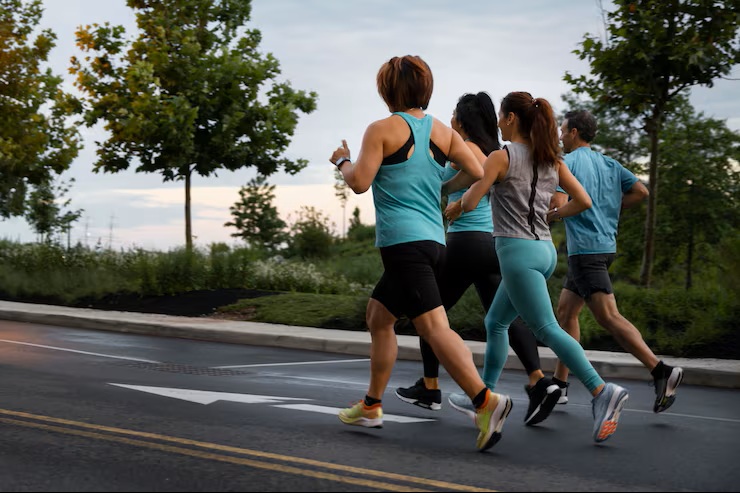
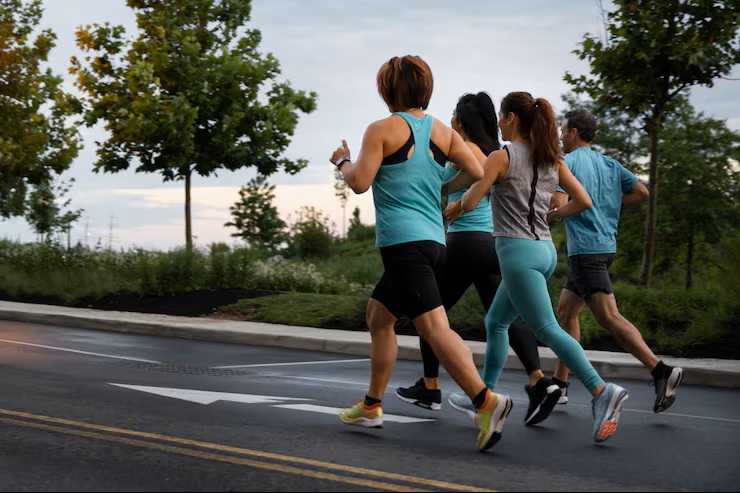
In parallel, practices linked to personal care grew, and this is reflected in the expansion of spaces such as yoga studios, ceramic workshops, running clubs or outdoor activities.
Many of these practices do not necessarily involve large expenses, but they do a reorganization of priorities. Instead of allocating resources to material goods, some people choose to invest in experiences that contribute to their physical or mental well-being.
Experiences over objects
Another sign of this change appears in the way expenses are conceived. Instead of focusing solely on purchasing products, many consumers prioritize experiences. Short trips, weekend getaways, cultural activities or social gatherings acquire greater value compared to purchases that can quickly lose relevance.
This trend is especially observed among young adults, who often prefer invest in moments or experiences rather than in cumulative objects.
Social networks and new aspirations
Social networks also contribute to making these transformations visible. If for years consumer exhibition predominated – cars, technology, brands – today content linked to well-being, fitness and personal balance coexist with greater presence. Exercise routines, meditation practices, healthy recipes or outdoor activities are part of a new aspirational imaginary that circulates on digital platforms.
A change in construction
Far from completely replacing traditional consumption, these trends coexist with multiple economic and cultural realities within the region. However, they are beginning to mark a change in the way many people imagine a fuller life. In a global context marked by acceleration and uncertainty, the question no longer seems to be only what to buy or what to accumulate, but rather how to live better.
Discover more from LatamNoticias
Subscribe to get the latest posts sent to your email.


