


For years, aesthetic pressure seemed to focus primarily on women. However, in recent times another phenomenon has begun to gain visibility: More and more young men feel the need to achieve a muscular, defined and extremely athletic body..
On social networks, especially on platforms such as TikTok and Instagram, a term even became popular to describe this culture: los «gym rats». The expression, which translates as “gym rats,” is used to refer to people who spend much of their time training, planning routines, and organizing their lives around fitness. What was once a hobby for some, today has become an identity for many young people.
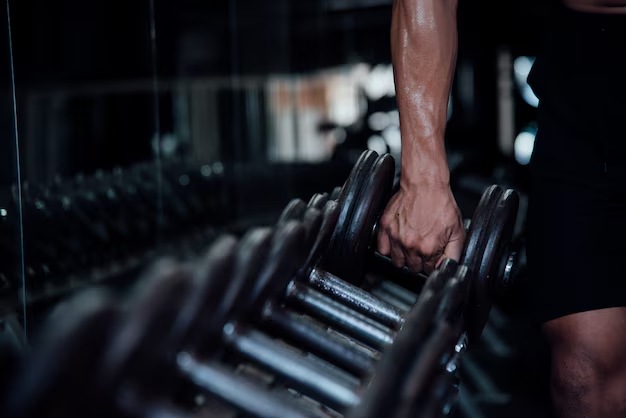
When fitness becomes an obsession
The rise of training and interest in physical activity is usually associated with healthy habits. However, specialists warn that in some cases that search can become a constant pressure to improve the body. Social networks contribute to amplifying this phenomenon: Videos of physical transformations, intensive routines and progress comparisons circulate daily, generating increasingly demanding standards.
For some young people, the gym stops being just a space for well-being and becomes a daily obligationwhere rest, food and social life are subordinated to training.
Supplements, diets and extreme training
In parallel with the growth of fitness culture, the market for supplements and products linked to physical performance also expanded. Protein shakes, amino acids, creatine and different nutritional formulas are part of the routine of many regular gym users.

It is common to find content where influencers share their “stacks” of supplements, high-protein diets or routines designed to increase muscle mass in the shortest time possible.
While many of these products can be useful under professional supervision, specialists warn that its consumption without medical or nutritional advice can create imbalances or unrealistic expectations on physical results.
The rise of protein and performance culture
Protein became one of the nutrients most associated with strength training. In gyms, social networks and specialized stores, the consumption of protein shakes, creatine and other supplements is promoted almost as a basic requirement for those looking to build muscle mass. However, behind this trend there are also warning signs; according to nutrition specialists: “The obsession with increasing protein intake and controlling each nutrient can lead to unbalanced diets, where entire food groups are eliminated in the name of physical performance or aesthetics.”

On social networks, where body progress is often measured by “before and after” photos, many young people end up adopting extreme eating routines: obsessive calorie counting, excessive consumption of supplements and an increasingly rigid relationship with food. What begins as a search for well-being can quickly transform into a dynamic of permanent control over the body. Added to this is another problem: the supplement industry grew rapidly and is largely fueled by unrealistic expectations.
Cardiologist and researcher Eric Topol warns that this food culture based on excess can have consequences. Some epidemiological studies link diets very high in protein (especially of animal origin) with a greater cardiovascular risk and inflammatory processes, in addition to representing an additional burden for people with kidney diseases. For the researcher, the problem is not the protein itself – an essential nutrient – but the idea that «more is better», a belief that spread strongly in gyms, social networks and fitness communities.
Muscle dysmorphia: when the perception of the body is distorted
In the most extreme cases, the pressure to achieve an ideal body can lead to mental health problems. One of them is the muscle dysmorphiaa psychological disorder characterized by the persistent perception that one’s body is too small or unmuscled, even when objectively it is not.
This phenomenon, sometimes calledvigorexia«, leads some people to train compulsively, avoid social situations or experience anxiety when they cannot comply with their physical routines. Specialists point out that muscle dysmorphia mainly affects young men and is increasingly linked to constant exposure to extremely muscular body models on social networks.
Social networks and the new masculine ideal
Platforms like TikTok played a key role in the spread of contemporary fitness culture. Through algorithms that prioritize visual content and physical transformations, these networks can reinforce the idea that personal success is linked to body appearance. Influencers, trainers and content creators share routines, diets and tips that often go viral, shaping the expectations of thousands of young people about what the male body should look like. Although interest in exercise can be positive, The current challenge is to promote a balanced relationship with the bodywhere physical well-being is not subordinated to aesthetic standards that are difficult to achieve.
Discover more from LatamNoticias
Subscribe to get the latest posts sent to your email.