
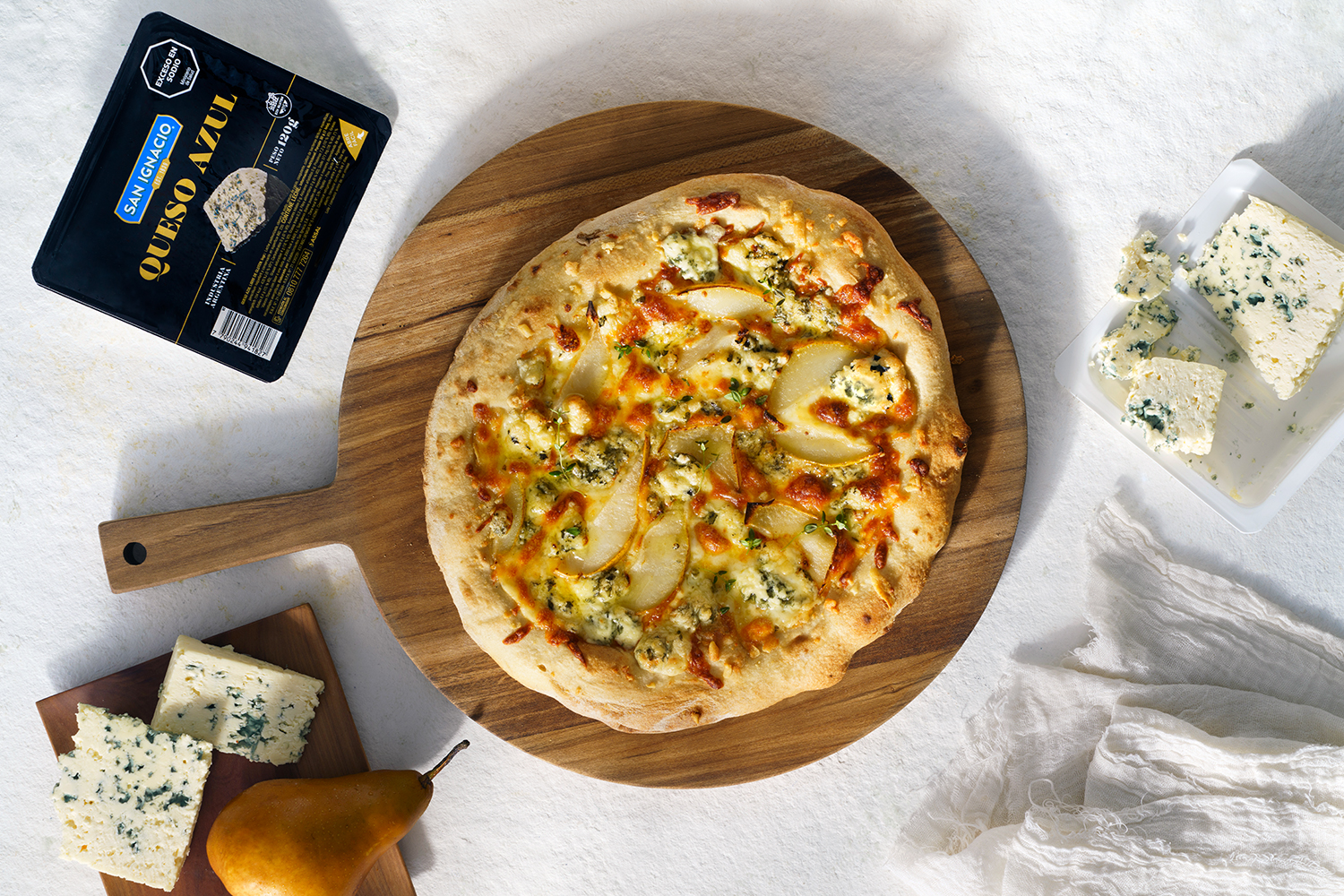
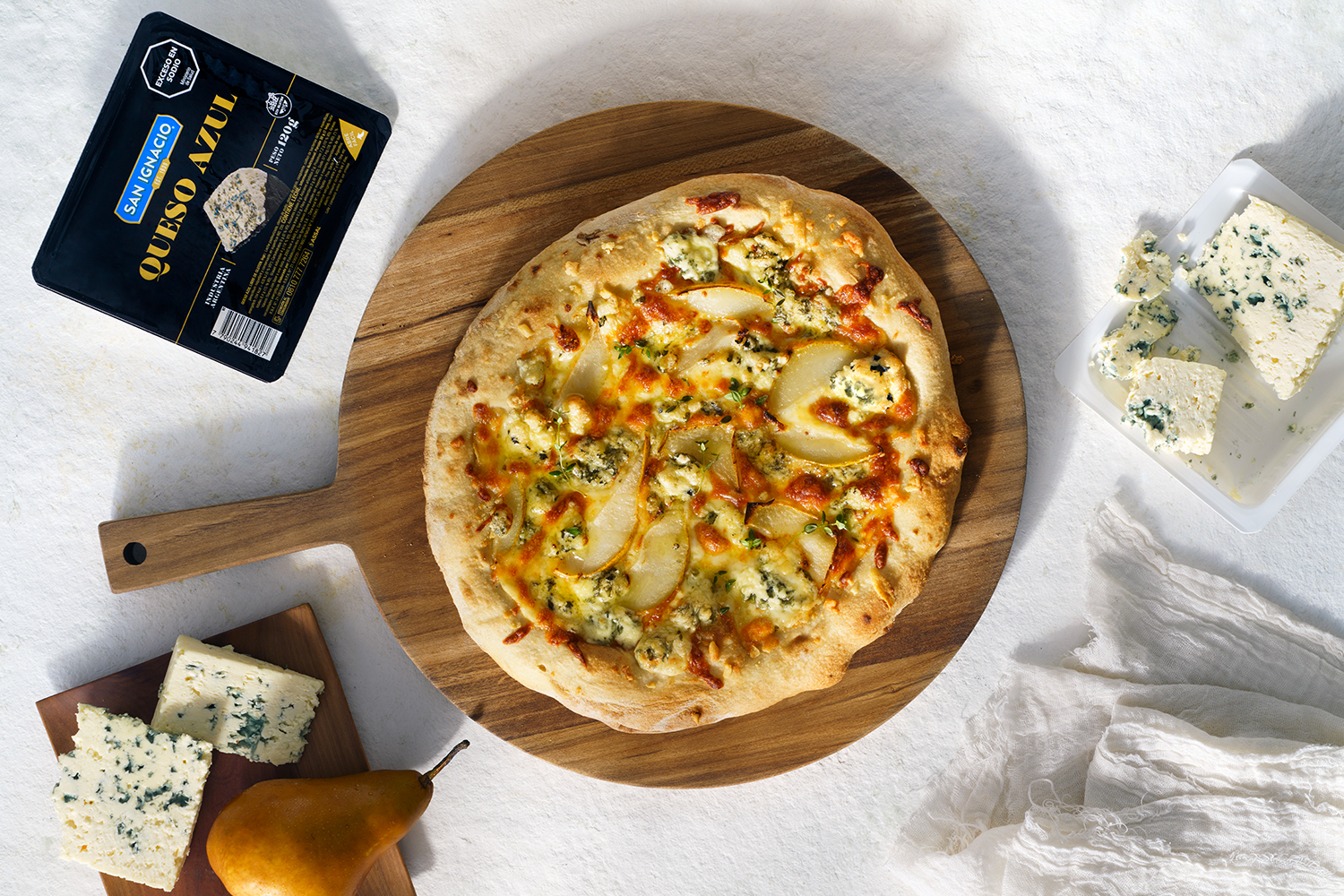
In Argentina, where consumption remains among the highest in the region, San Ignacio reaffirms its development in the category with products ranging from cream cheese – with and without lactose – to blue cheese inspired by French tradition.

Every March 27th is celebrated International Cheese Dayan initiative that was born in Europe – promoted by producers from France and Italy – and that over time spread globally to highlight one of humanity’s oldest foods.
In this framework, Saint Ignatius —a company from Santa Fe with 87 years of experience— highlights its journey in the cheese makinga category that is part of its productive history along with its traditional dulce de leche. Just as the brand is widely recognized for the latter, it also develops a line of cheeses that reflects the same focus on quality and improving its production processes.
“We have been working for years to continually improve ‘how we do what we do’, reviewing processes and expanding the portfolio to accompany the different forms of consumption”points out Alejandro RecaCEO of San Ignacio.
THREE PRODUCTS, DIFFERENT MOMENTS OF CONSUMPTION
Within its portfolio, the company has three proposals that reflect different uses and profiles:
Blue cheese: Made at its Hypatia plant, this product—inspired by the French palate—is characterized by its creamy texture and intense, slightly spicy flavor. Currently, the company is the second exporter of blue cheese of Argentina.
Classic and light Blancrem: a cream cheese designed for him everyday consumptionwhich adapts to both sweet and savory preparations. Ideal for breakfasts and snacks, but also for cooking, from fillings and sauces to pastry recipes. Available in both its traditional and light versions (low in fat).
Blancrem lactose-free: an alternative that responds to new market demands, designed for people with lactose intolerance who seek to maintain the flavor and functionality of traditional cream cheese. It is the main brand that offers this type of proposal and that knew how to adapt to the needs of the current market.

All products are certified gluten-free, which expands the possibilities of consumption, both for celiacs and for those who prefer to avoid gluten as part of their healthy diet.
CHEESE CONSUMPTION IN ARGENTINA
In Argentina, cheese occupies a central place in the daily diet: consumption remains around 12 kilos per person per yearone of the highest levels in Latin America, according to data from the Argentine Dairy Chain Observatory (OCLA).
Preferences show a strong inclination towards soft cheeses —like cream cheese—, followed by semiduros and, to a lesser extent, the hard. Meanwhile, varieties like blue cheese They are gaining interest among those looking for more intense flavors.
«Cheese is a product widely incorporated into the Argentine table and with increasingly broader uses. Today, daily consumption coexists with more intense varieties, which are beginning to gain space on new occasions,» Reca adds.
Productive tradition from Santa Fe. With plants in Sauce Viejo and Hipatia, San Ignacio continues to develop its line of cheeses, in sustained work that combines experience, technology and adaptation to new demands.
A MILLENNIUM FOOD AND IN CONSTANT EVOLUTION
Cheese is one of the oldest foods in history: it is estimated that its origin dates back to more than 7,000 years. Over time, each culture developed its own variants, giving rise to an enormous diversity of styles, textures and flavors.
In the case of blue cheeseits distinctive characteristic comes from the development of the the fungus Penicilliumresponsible for its veins and its aromatic profile. In addition, it is a food with a high content of calcium, vitamins and minerals. cream cheesefor its part, has a more recent origin: it was developed in the United States in the 19th century and became a key ingredient due to its soft texture and versatility in cooking.
Discover more from LatamNoticias
Subscribe to get the latest posts sent to your email.