

Rents show growing pressure that is already clearly reflected in the numbers. A report of the Urban Fabric Foundation indicates that more than 60% of tenants need to go into debt to be able to stay in their home, in a context where the cost of renting gains weight in family income.
In the national analysis, the rentals are part of a broader trend: during 2025, almost six out of ten families resorted to credit or savings to meet the monthly payment. However, the most marked change appears in how this expense is covered. The use of savings began to decline—it went from 42% in 2024 to 39.6% in 2025—while bank financing grew stronglyfrom 10.6% to 18.1%.
This displacement also has a full impact on rents. When rent is paid with debteach month starts conditioned by previous obligations and with less margin for the rest of the expenses.
Initial access to rentals in La Plata also represents a significant difficulty. Entering a home can involve about $2,000,000 between deposit, advances and other initial costsaccording to the Platense Tenants Association. For many households, that amount forces them to resort to loans even before moving.
Then, the difficulty moves to day to day life. In rentals, sustaining the monthly payment becomes increasingly complex and dynamics of wear and tear appear that, over time, end up pushing people to abandon their home due to inability to pay.
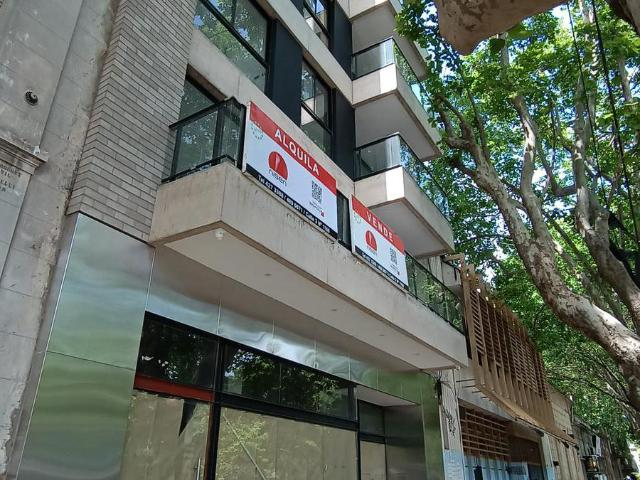
The numbers clearly show the gap in rents. With an income of $900,000 and rent of $400,000, there is about $500,000 left to cover all other expenses. This margin is close to a basic basket estimated at $452,000which leaves very little room for unforeseen events or savings.
In practice, the impact of rents translates into cuts and forced decisions: dietary adjustments, postponed health checks, lower investment in education and more hours of work to compensate for income.
He rental phenomenon It impacts mainly on middle and lower sectors, which concentrate more than 80% of tenants. These are households with formal income that, even so, face growing economic fragility.
In large urban areas like AMBA, 63.2% of households finance the rentwhile in CABA the percentage reaches 69.7%. The rentals in La Plata They are part of that same trend, with sustained demand from students, state workers and internal migration.
The report also warns that, if the cost of rent were incorporated more directly into poverty measurementsboth indigence and poverty would increase significantly.
In this context, Rents condition daily decisions and limit planning capacity. Without a sustained improvement in income or policies that facilitate access to housing, the scenario projects more debt, less savings capacity and greater tenant turnover.