

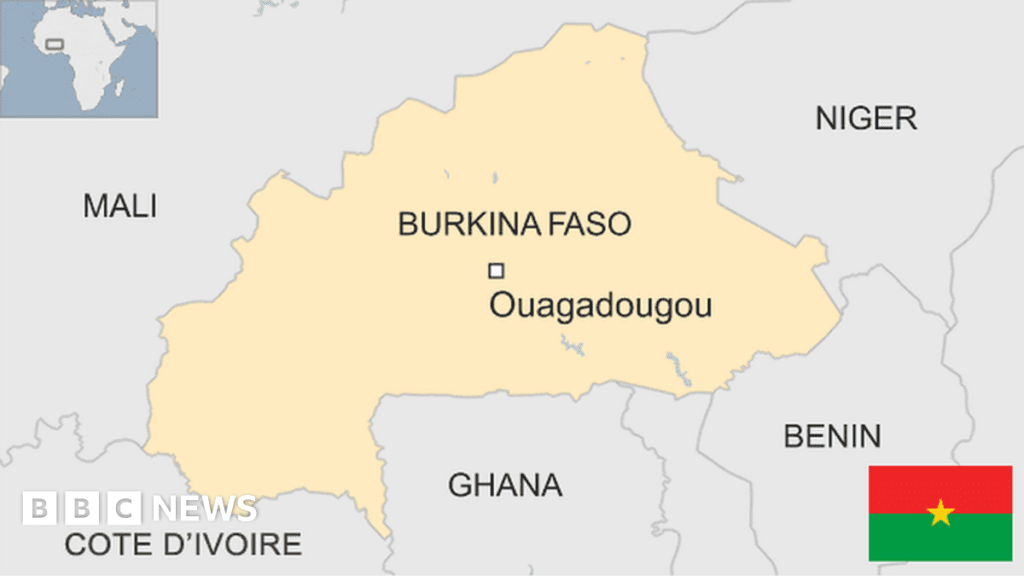
For the vast majority of Argentines and Latin Americans, Burkina Faso It’s a blind spot on the map. A Mediterranean nation in the heart of the African Sahel of which we almost don’t get informationexcept when a coup d’état or a terrorist attack shakes international portals. However, in 2026, this country of 24 million inhabitants is carrying out one of the most radical and controversial geopolitical and social changes on the planet.
What is really happening in the “Homeland of the Fiery Men”? Who is the young captain who challenges the Western powers and what real impact do his measures have on ordinary people?
What is Burkina Faso about?
Formally, Burkina Faso It is a nation-state born from its independence from France in 1960. However, like almost all of Africa, its borders were drawn with a rule by European empires in the 19th century, forcibly uniting a mosaic of more than 60 different ethnicities (where the Mossi and the Fulani are the majority groups).
The current name of the country is a revolutionary invention: It was created by the historic socialist leader Thomas Sankara in 1984, uniting words from the two most spoken native languages to found a common identity. «Burkina Faso» literally means «The Homeland of Upright Men». Today, that identity is at stake in the midst of an unprecedented humanitarian and security crisis.
Ibrahim Traoré: The captain of the red beret
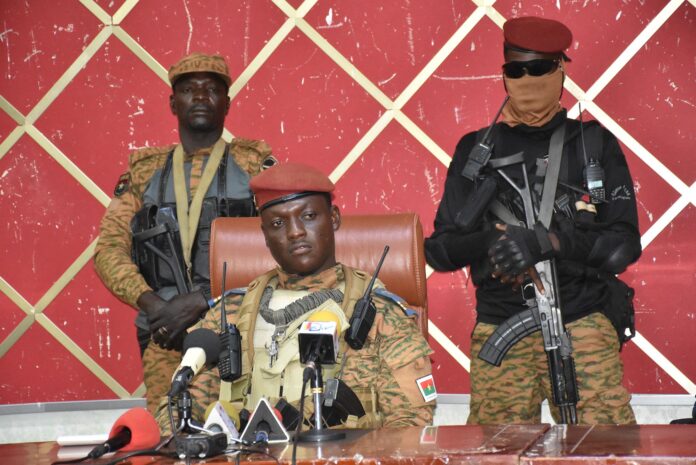
The man at the center of the world stage is the captain Ibrahim Traore. At only 34 years old, he came to power in September 2022 through a coup d’état, in a context of absolute fatigue among the population and the army due to the ineffectiveness of previous governments in the face of jihadist terrorism.
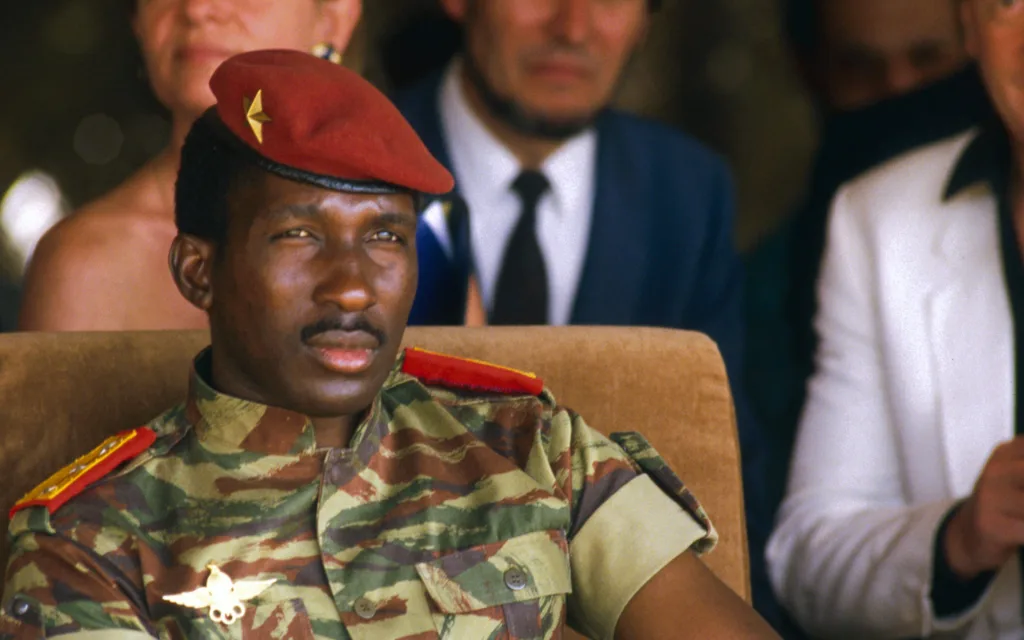
Traoré recovered the mystique of Sankara (the «African Che Guevara»): He wears a red beret, has a fiery speech with an anti-imperialist tone and strongly appeals to the pride and dignity of African youth.
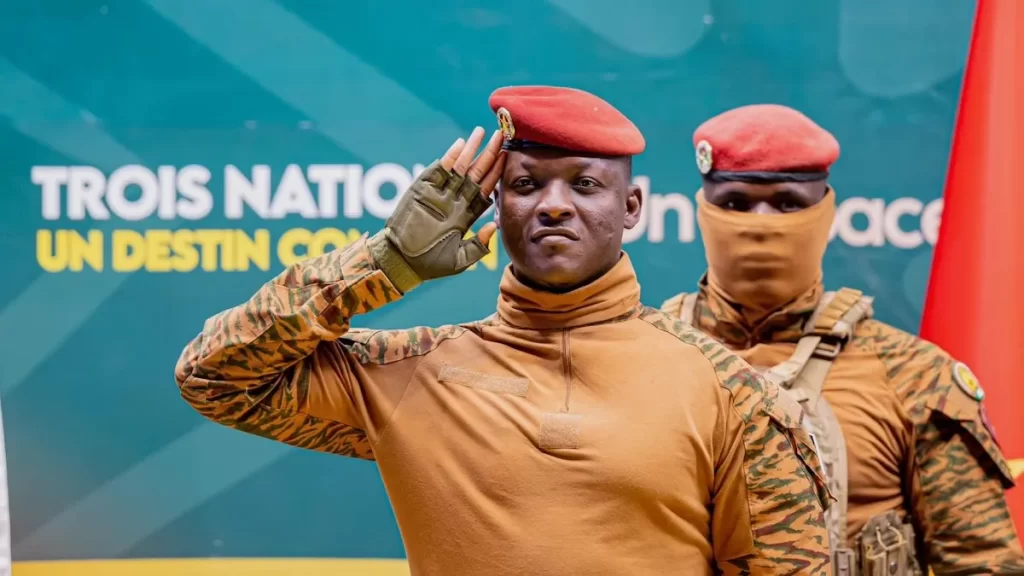
Its narrative is clear: break colonial dependence and regain control of the country by and for the Burkinabe.
The fundamental reforms: Sovereignty and popular dignity
For the bases that support the process and for those who look closely at the Global South, Traoré’s management stands out for a series of structural reforms with a strong popular impact:
- Nationalization of resources (El Oro): The government took control of the gold mining sector—the main export resource—which was previously in the hands of foreign multinationals, so that the profits remain in the state’s coffers and are reinvested in the country.
- Food sovereignty: Massive campaigns were launched to get thousands of young people to cultivate community lands. Thanks to this, the country achieved record cereal harvests that allowed the price of basic foods to be controlled.
- Neocolonial break: The regime expelled French military troops, suspended historic colonial agreements and formed the Alliance of Sahel States together with Mali and Niger, seeking autonomous regional integration without tutelage.
The view from the territory: Pride, education and community custody
Beyond the narratives that are replicated in the major Western media, the testimonies of those who visit and walk the streets of Burkina Faso today bring a reality full of mystique and hope:
- A grateful people: The vast majority of ordinary citizens express deep agreement with Traoré’s management. There is a widespread feeling that, for the first time in decades, the president shares the sacrifices of the people and does not bow to external pressures.
- Voluntary custody of the President: One of the most striking phenomena is the devotion of its base. It is not only the official forces that take care of Traoré; It is the citizens themselves, organized voluntarily in committees and support vigils, who guard the movements of their president to protect his life against any attempt at external destabilization.
- Strength to agriculture and education: Visitors highlight the amazing array of field schools and literacy projects. The government is injecting massive resources into public education and providing tools and machinery to local agricultural cooperatives, transforming the social fabric from the roots.
The great challenges of the transition: Debates in times of emergency
As in any process of deep rupture in a context of war (with almost 40% of the territory under siege by extremist groups), day-to-day life generates intense internal debates. What is read linearly on the outside is experienced on the inside as extreme measures by a State in an emergency situation to ensure the survival of the nation:
- The political schedule and stability: To ensure that the substantive reforms are not diluted, the political transition period was extended. Those who defend the process maintain that opening the traditional electoral game in this moment of vulnerability could fragment the country and be used by foreign interests to weaken the sovereign project.
- War economy and collective effort: With the premise that the entire nation must devote itself to supporting the defense, strong regulations were applied to union activity, limitations on strikes and mandatory contributions on formal salaries to finance the military budget, which generates discussions in some sectors about the daily economic effort.
- The General Mobilization: Within the framework of national security, public criticism from certain traditional or activist sectors has been responded to with the application of the recruitment law for the battle front, raising an intense debate about the limits of dissidence in times of armed conflict.
- The debate on local identity: The recent prohibition of homosexuality responds to an agenda deeply rooted in local traditions and religious sectors of the country. The government bases it as a protection of African values against what they consider cultural impositions from the West.
- Territorial defense and strategic alliances: To combat terrorism without depending on the old colonial powers, the State armed civil militias (the VDP) so that the communities themselves could defend their lands, which reconfigured the map of internal security. In this new international board, the government consolidated a key military alliance with Russia to support the front.
The path of self-determination
Burkina Faso stands at a historic and fascinating crossroads. For its defenders and for the people who guard it day after day, it is the inevitable cost and effort of defending a nation under attack that decided to stop being Europe’s backyard to build its own destiny. A revolutionary experience in the 21st century that deserves to be heard in the voices of its own protagonists.