

Today blood donation is commemorated as an activity of solidarity and humanity, but it is also a date to raise awareness about the importance of having safe and available blood for those who need it.
The date was chosen by the World Health Assembly to thank voluntary donors who, unpaid, offer their bodies, saving thousands of lives.
On June 14, 1868, Karl Landsteiner was born (Vienna, Austria, June 14, 1868 – New York, June 26, 1943), a pathologist and biologist who discovered and typed blood groups. He was winner of the Nobel Prize in Physiology and Medicine in 1930. His discovery led to the first successful blood transfusions in 1907. This is why today was chosen as the date to commemorate blood donation.1
Despite being a fundamental resource for the health of the population, blood cannot be produced artificially, hence the importance of voluntary donations. A peculiar fact.
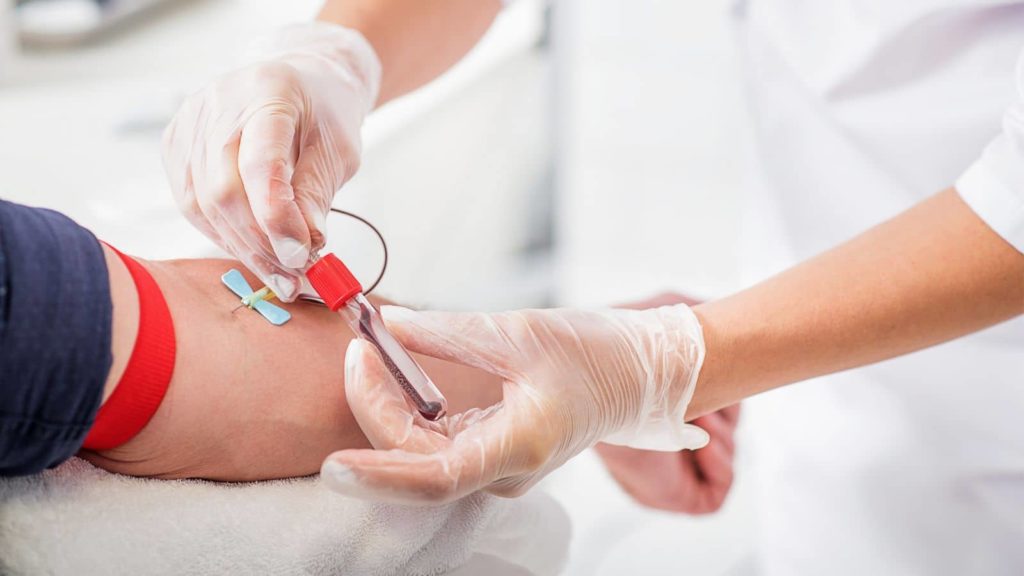
Requirements to donate
- Be between 16 and 65 years old
- Weigh more than 50 kg.
- Attend with ID
- Feel in good health
- Have rested and had breakfast or lunch normally before donation
Who can’t donate?
For your safety and that of the recipient, you will not be able to donate if:
- You have a history of Hepatitis B or C, Chagas, Brucellosis, Syphilis, HIV/AIDS or HTLV. Note: If you had Hepatitis A before the age of 10, you can donate
- You suffer from severe heart, lung, kidney disease, cancer or bleeding disorders
- You are insulin dependent
- you are pregnant2