
Sugar-free eggs, plant-based options, innovative fillings and visually striking proposals set the season’s agenda. According to specialists, consumers are increasingly looking for quality, creativity and shareable experienceswhich drives a revolution in the chocolate industry.
With the arrival of the Easter weekthe windows begin to fill with rabbits, eggs and chocolate figures that anticipate one of the sweetest moments of the gastronomic calendar. But behind this tradition there is history, innovation and an increasingly demanding consumer who redefines the way chocolate is enjoyed. Looking ahead to Easter 2026the chocolate shop reinvents itself with proposals that combine creativity, technology and new consumer habits.

Why we eat chocolate at Easter: a tradition with history
The custom of eating chocolate on these dates has religious and cultural roots. For centuries, the Church prohibited the consumption of eggs in the week before Easter, so they were saved and decorated to later be given to children. Over time, the tradition evolved: first with decorative cardboard eggs in Victorian times and then, in the 19th century, with the first chocolate eggs in France and Germany. Those first versions were bitter and compact, but the improvement of chocolate-making techniques allowed the creation of the hollow eggs that today symbolize the celebration.
Today, Easter chocolate not only responds to a tradition, but also to global trends that redefine the consumer experience. This is how it reveals Taste Tomorrowthe global study that the Belgian foodtech Puratos developed since 2012 and which today has become the largest research ecosystem in the world to understand what people are looking for in baking, pastry and chocolate.
Consumers are looking for shared moments and Instagrammable aesthetics
According to the study, consumers increasingly value shared gastronomic moments and visually attractive, especially those that can be photographed and disseminated on social networks. Aesthetics and creativity become as important as flavor.
In this context, the innovative proposals for Easter 2026 revolve around the diversity of options and personalization. Martín Scala, Puratos regional senior technical advisor for Argentina, Uruguay and Paraguayexplains that eggs made with sugar-free, reduced sugar, gluten-free and plant based chocolates. These alternatives reflect a specific demand: more conscious consumers looking for products aligned with their lifestyle and dietary needs.
Innovations in design: fillings, textures and fused flavors
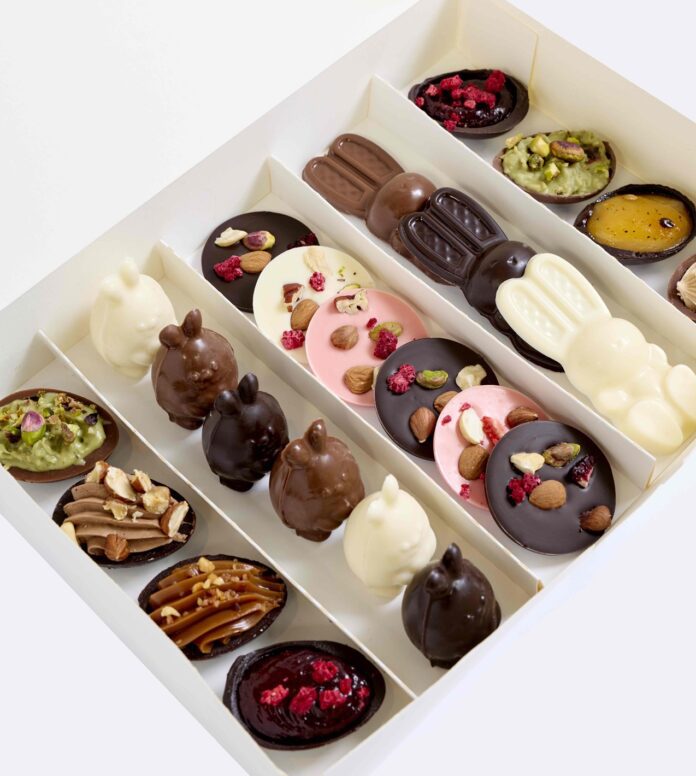
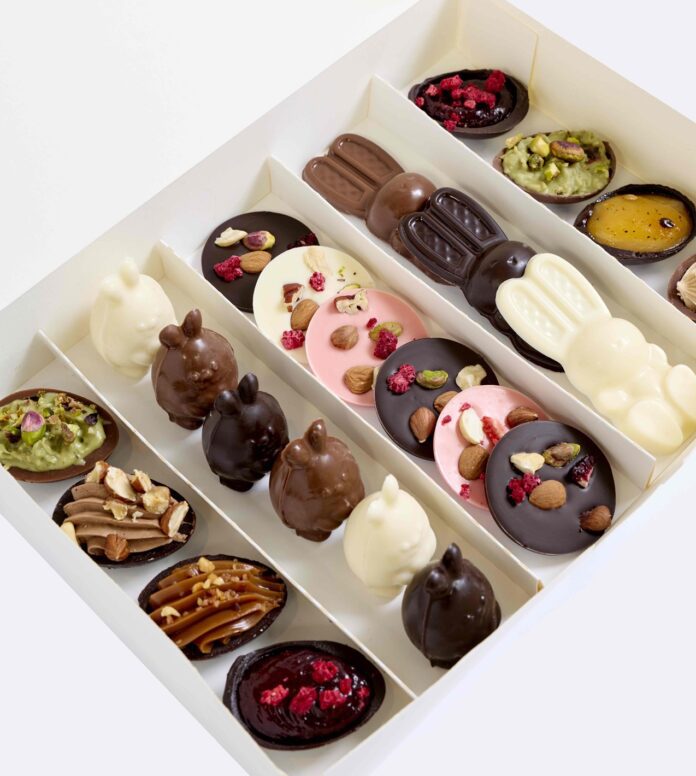
The innovations are also seen in the design of the pieces. The stuffed eggsthe figures of rabbits decorated with cocoa butter in pastel tones and the inclusions with dried fruits or pistachio paste They are positioned among the most attractive proposals. Creativity is not limited to the shape: it also appears in combinations of textures, fillings and flavors that turn chocolate into a multisensory experience.
Chocolates for everyone: what each generation is looking for
- Children: They still prefer milk and white chocolates, accompanied by colorful decorations and jams. The playful component is key: chocolate becomes a surprise object that invites you to play and share.
- Teenagers: They are attracted to more disruptive proposals. Among them are the half eggs stuffed with pistachio paste “Dubai style” combinations with mousses, flavored creams and layers of cakes like brownies. This generation looks for innovative products that fuse flavors and textures, a trend that Taste Tomorrow identifies as “culinary fusion” .
- Adults: more sophisticated choices predominate. Bitter and semi-bitter chocolates, with classic decorations that incorporate spices or nuts, are established as favorites. Here, the focus shifts to the cocoa quality and the complexity of the flavor.
Packaging also matters: pastel tones and Instagrammable aesthetics
Trends not only go through the product but also the packaging. The pastel tones They dominate the design of the boxes and packaging, reinforcing the spirit of celebration and the Instagrammable aesthetic that today influences purchasing decisions. The packaging stops being a simple box and becomes part of the gift experience.
How to choose a good Easter chocolate
But what really defines a good Easter chocolate? Scala points out that there are two large categories: pure toppingsmade with cocoa paste and cocoa butter, and the substitute chocolates or pastry dipsformulated with cocoa powder and vegetable fat. The difference in ingredients directly impacts the texture, shine and final flavor of the piece.
“Normally, pieces made with pure toppings and quality pastry coatings are marketed with a different monetary value and are pieces highly appreciated by the most demanding consumers.” reveals Scala.
Currently, different candy stores and salons carry out guided chocolate tastingswhich can help consumers find the perfect chocolate to gift on Easter Sunday: “This action is vital since it will be a guide and will allow the consumer to have a broader overview and a greater assessment in relation to the quality of the chocolate used” recommends the expert.
In terms of size, the market shows a clear behavior: large pieces, weighing more than one kilo, are mainly used for display in stores, while small formats, between 50 and 150 gramsconcentrate the highest turnover in sales. This preference responds to a consumer who seeks variety and the possibility of trying different types of chocolate—white, milk and semisweet—on the same occasion.
New trends for lovers of sweets
Among the most innovative proposals for this season are creations that combine technique and creativity:
- volcano eggs filled with sponge cake and hazelnut cream
- chocolate jewelry with raspberry and crunchy textures
- surprise rabbits with sweets inside
- Mini portion boxes designed to share
These options respond to a more social consumption logic, where chocolate is integrated into moments of family gathering or among friends.
Home brewing gains ground
Innovation also reaches homes. Homemade Easter eggs are gaining popularity, driven by tutorials on social media and the desire to personalize gifts. To achieve professional results, experts recommend using high-quality chocolates, suitable molds, and maintaining a climate-controlled environment between 20 and 23 degreesalong with basic utensils such as spatulas, bowls and a thermometer.
Chocolate as an experience: data from Taste Tomorrow
New consumer habits reinforce this paradigm shift. According to data from Taste Tomorrow, interest in creative and original products is growing, with a 200% increase in searches related to chocolate experiments and a 33% on creative pastries. The search for fused flavors and novel experiences drives brands to constantly innovate to capture the attention of a curious and exploring audience.
Thus, Easter is no longer just a traditional date but also a gastronomic trends laboratory. The combination of healthy options, innovative designs, shareable experiences and high-quality chocolates sets the pulse of today’s chocolate industry. The true secret of success is to offer a chocolate that, in addition to being delicious, achieves excite, surprise and become part of the celebration memories.
Discover more from LatamNoticias
Subscribe to get the latest posts sent to your email.