
In this note we tell you how to participate in the mega-event promoted by Harvard
The prestigious university opens registration for its health hackathon with AI. Two days, interdisciplinary teams and access to a global network.
Argentina once again occupies a place on the map of innovation in the global health system. For the seventh time, the Health Systems Innovation Lab (HSIL) —research and training laboratory at Harvard TH Chan School of Public Health—organizes its International Hackathon, and the Hub Argentina will have its own prominence: three simultaneous and integrated venues, in what promises to be the largest event of this type in the history of the country. Registration is free, places are limited and the deadline closes March 13.
The HSIL Hackathon is a two-day experience in which interdisciplinary teams —doctors, engineers, economists, designers, entrepreneurs and students— work collaboratively and intensively to go from a conceptual idea to a functional prototype.
Under the motto “Building high-value health systems: Leveraging AI”the 2026 challenge will focus on the strategic use of artificial intelligence to propose concrete solutions to the current problems of health systems, whether in clinical efficiency, data management, health equity or innovation in care.
For this new edition, the network expands to more than 40 countries. Argentina is part of that global network through three institutions that act as local hosts: IAE Business School, Swiss Medical Group and Medifé – Sanatorio Finochietto.
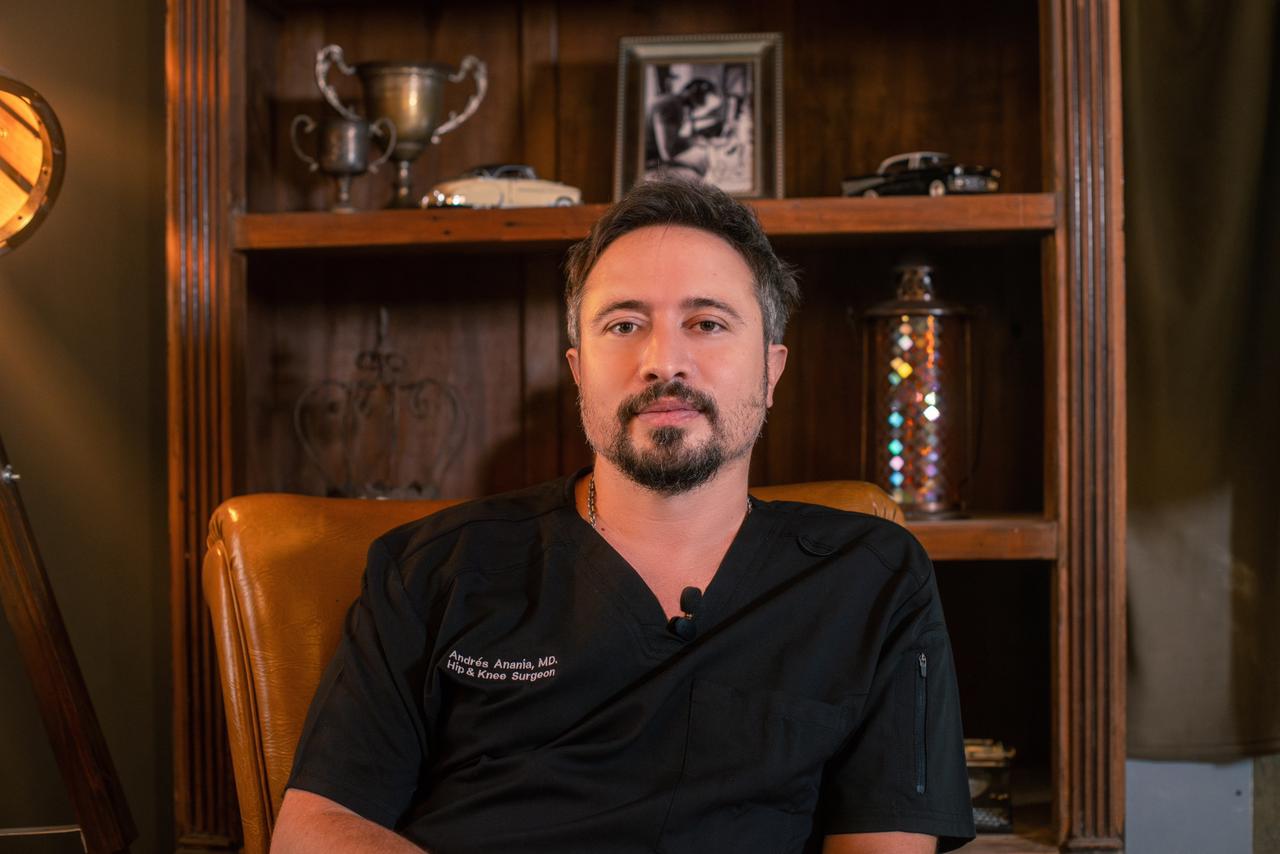
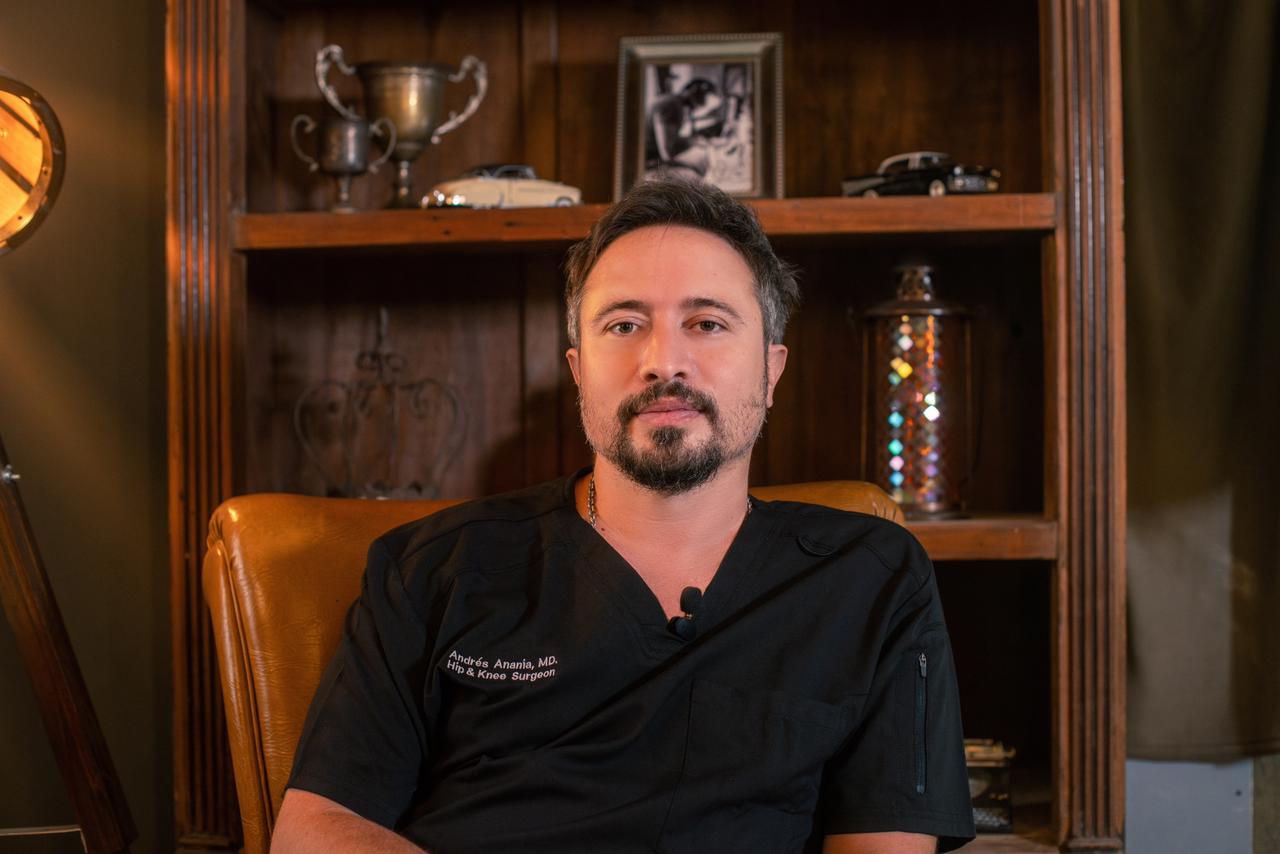
“We projected a global record and, in Argentina, a significantly larger call, which led us to expand the format to three simultaneous and integrated venues,” he noted. Andrés Anania, director of the Hub Argentina. “It is going to be the largest Health Hackathon in the history of Argentina.”
AI already permeates almost all dimensions of human life, so it is not surprising that it is part of the theme to be worked on at HSIL 2026. “Artificial intelligence is today a strategic tool to optimize clinical decisions, resource allocation and hospital management,” explains Anania.
However, he warns about the correct direction of that view: “The focus is not technology itself, but how to use it to build more efficient health systems and develop solutions that directly impact people’s health.” That distinction—between fascination with the tool and questioning its actual usefulness—defines the spirit of the event.
The hackathon is open to very diverse profiles: health professionals, developers, engineers, economists, designers, entrepreneurs and advanced students. “Interdisciplinary diversity is key,” Anania emphasizes. And he clarified that it is not mandatory to arrive with a closed idea: «You can apply with an idea or join to form a team during the event. Many solutions arise from collaborative work.»
The projects will be evaluated by a committee of academic references from Harvard and the local ecosystem, which prioritizes potential impact, scalability, technical feasibility and alignment with the 2026 axis.
For the winners, the experience opens a door to a deeper development process, first to an international Bootcamp and then they can advance to HSIL’s Venture Builder Immersion Program, a program of approximately eight weeks that provides remote and strategic support to transform an idea into a scalable solution.
What distinguishes this program from other incubators or accelerators, according to the director of Hub Argentina, is its systemic perspective. “It is not only looking for technology startups, but solutions aligned with Value-Based Health Care, financial sustainability, regulation and health governance.” The mentorships range from public health and healthcare to health economics, digital innovation, venture building and healthcare leadership.
In the last edition, Argentine talent already left its mark. Kuvia AI, a project that emerged from Hub Argentina, was recognized at HSIL’s global Demo Day, an achievement that Anania describes as “a milestone for our ecosystem.” In addition, other teams managed to validate business models, generate strategic alliances and advance financing processes. «If there is something that distinguishes Argentine talent, it is its high scientific training, creativity, resilience and ability to adapt. Argentina combines clinical and technological talent with an entrepreneurial mentality,» he highlights.
Registration for the Health Systems Innovation Lab is free of charge and spaces are limited. The closing for Argentina is March 13, through the unique link published in the institutional channels of the local Hub. “This international hackathon is an opportunity to be part of a global network, validate ideas with international standards and actively contribute to the future of the health system,” Anania concluded, with a direct message to those who still hesitate to apply.
More info: https://drandresanania.com/blog/hackathon-harvard-argentina-ia-salud
Discover more from LatamNoticias
Subscribe to get the latest posts sent to your email.