
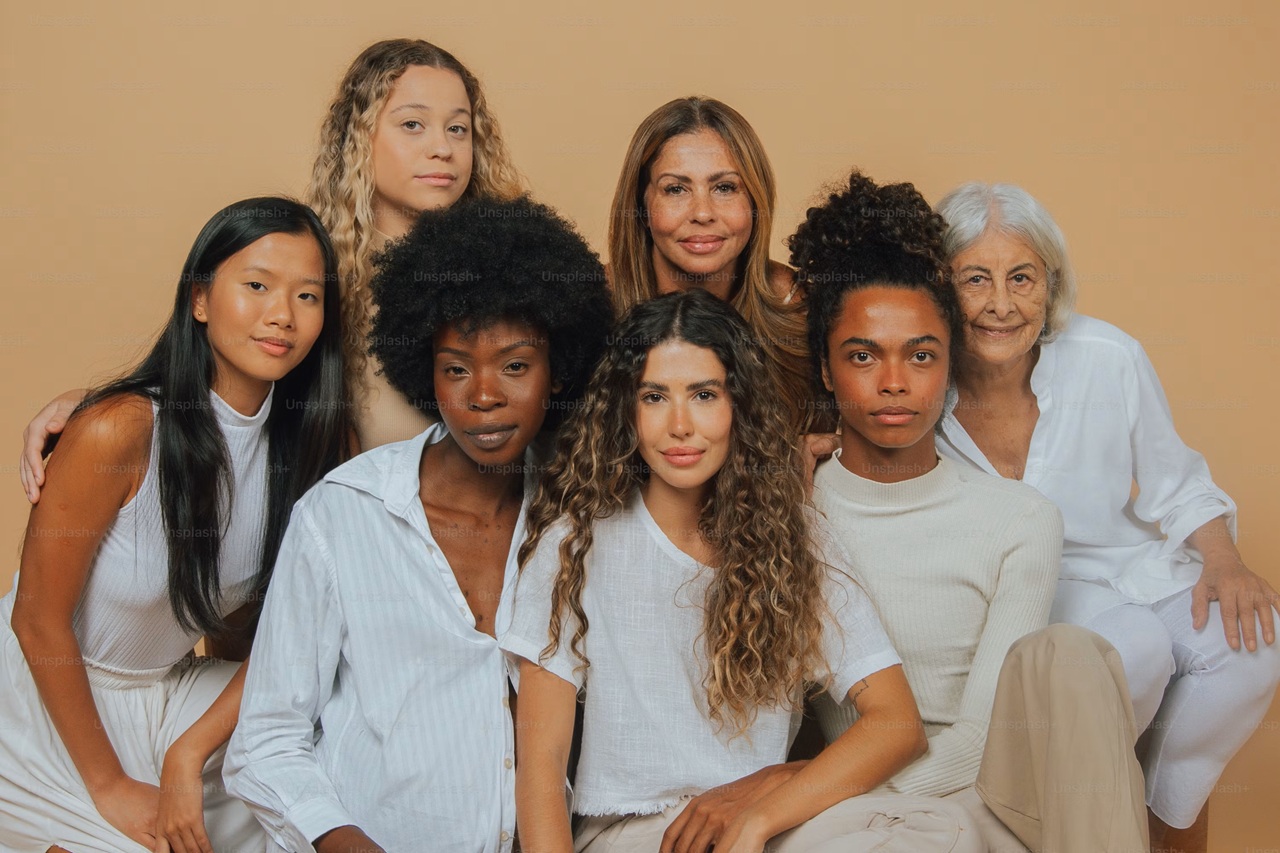
Every March 8, millions of women around the world once again put on the agenda a discussion that crosses generations: equal rights and opportunities. He International Women’s Day It is a day of memory and protest that remains valid more than a century after its origins linked to the workers’ struggles of the 20th century and its subsequent recognition by the United Nations Organization.
Wage gap and violence: the figures that worry
According to recent data of the Economic Commission for Latin America and the Caribbean (ECLAC)women in the region receive on average considerably lower incomes than men –about 17% less– and allocate triple the time spent on unpaid domestic and care tasks. This overload directly impacts their job placement and their possibilities for professional development.

On the economic level, Labor informality disproportionately affects womenespecially in the service and trade sectors. After the pandemic, the recovery of female employment was slower than that of menwhich deepened pre-existing gaps.
Added to this is a alarming fact: Latin America continues to register some of the highest rates of femicides globally. Although several countries have strengthened their regulatory frameworks and protection systems, Gender violence continues to be a widespread problem that exposes broader social inequalities.
For the Costa Rican sociologist Monserrat Answergender specialist, violence against women must be understood as a structural problem. Within the framework of a regional academic panel, he pointed out that it is an endemic phenomenon, based on “the organization of social inequality,” and not isolated or individual events. This perspective allows us to understand why, despite regulatory advances in different countries, Violence figures remain high in the region.

Political participation and leadership: signs of change
In parallel with persistent challenges, Latin America has become one of the regions with the highest female representation in national parliaments. According to data from international organizations, several Latin American countries exceed the global average of women’s participation in the Legislative Branch thanks to the implementation of quota and parity laws.
Countries such as Mexico, Argentina and Bolivia moved towards 50-50 representation schemes in legislative candidacies, which allowed a sustained growth of women in Congress in the last decade. These reforms they marked a turning point in political systems historically dominated by men.
These advances show that the region does not remain static: institutional progress coexists with structural gaps that still limit full equality.
More than a date on the calendar
Every March 8, the streets, the media and the networks are filled with voices that challenge the present. It is a moment in which becomes visible what during the rest of the year often remains dispersed or silenced. Perhaps the true meaning of the day is not only in the figures or official acts, but in that capacity to make people uncomfortable and sustain questions over time. When the date passes and the conversation loses centrality, What transformations will remain?
Discover more from LatamNoticias
Subscribe to get the latest posts sent to your email.