

How to reactivate historic buildings in ruins without losing the contemporary pulse.
Buenos Aires is full of architectural gems that are often trapped in time or neglect. However, the current trend in architecture and design proposes a paradigm shift: restoring without nostalgia. The key is no longer to leave identical buildings as static museums, but to reactivate them for modern life.
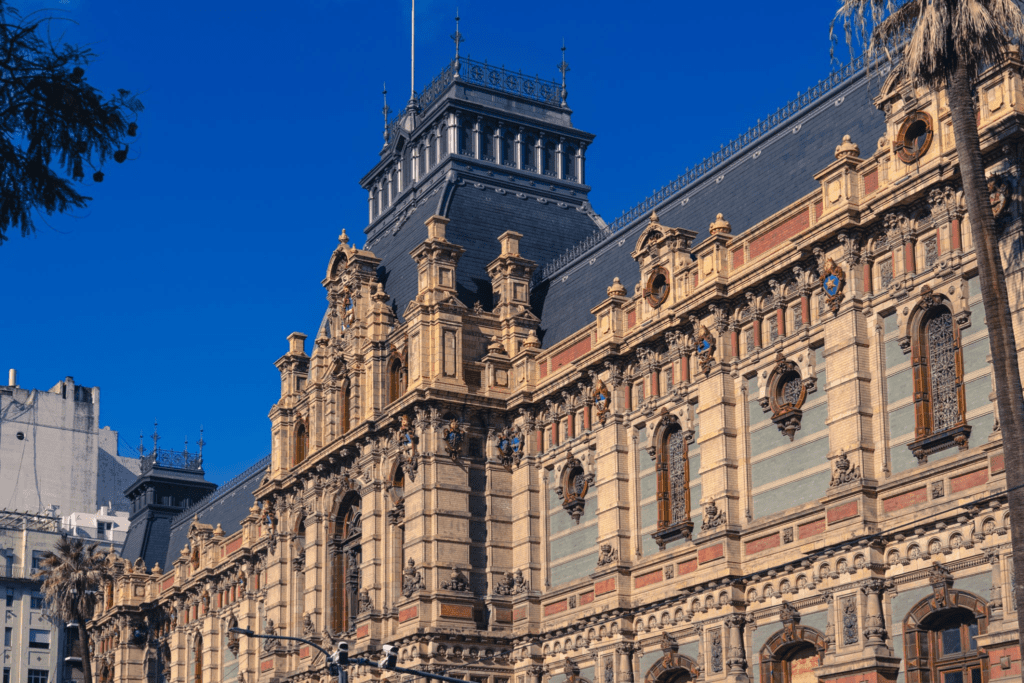
Three pillars to revive a historic building
To recover a ruined structure and integrate it into current urban dynamics, experts highlight three fundamental concepts:
- Dialogue of times: There is no attempt to hide the new or falsify the old. Contemporary intervention must be honest, showing where the original structure ends and modern design begins.
- Flexibility of use: The palaces were designed for the dynamics of the 19th or early 20th century. Adapting them today involves opening spaces, prioritizing natural light and thinking about mixed uses (homes, corporate offices, cultural or gastronomic spaces).
- Sustainability and technology: Reactivating a heritage work requires incorporating efficient air conditioning systems, acoustic insulation and connectivity, taking care of the original noble materials such as marble, vaults and hardware.
«The true value of contemporary restoration is not to freeze the past, but to give it a second useful life that dialogues with the present of the City.»
This view allows Buenos Aires to continue preserving its unique and European identity, but transforming into a lively, functional and avant-garde capital.
From Live digital multimedia communication and websites of key cities in Argentina and the world; We disseminate and promote authors and other indistinct means of communication. We also generate our own journalistic creations and investigations for the service of readers.
We suggest reading the source and expanding with the link above to access the origin of the note.