

The death of Carlos “Indio” Solari left a deep mark on Argentine culture and once again brought to the fore the artist’s link with La Plata, a key city in the construction of his identity and in the birth of the ricotero phenomenon.
The history of Indio Solari It cannot be counted without passing through the La Plata diagonals. Although he was born in Paraná, Entre Ríos, on January 17, 1949, he arrived in La Plata when he was barely two years old and it was there where the artist who decades later would become one of the most influential figures in national rock began to form.
His family settled in the city and during his youth he was immersed in a cultural scene marked by students, artists, musicians and activists. La Plata in the 60s and 70s functioned as a space for permanent exchange, where new ideas and expressions sought to break with the established.
In those streets he met people who would be fundamental in his path, among them Guillermo Beilinson, who would later become Skya key piece in the history of Patricio Rey and his Redonditos de Ricota.
The city that shaped the artist
Solari himself highlighted on several occasions the influence that La Plata had on his view of the world. He defined it as a university city, with a particular energy and a strong inclination towards critical thinking and artistic creation.
He had also chosen a word to describe the people of La Plata: “meloneros”. For him, they were people who, by delving deeper into their ideas, found new layers, stimuli and ways of interpreting reality.
This cultural climate was part of the context that allowed the emergence of a different proposal, where music coexisted with provocation, aesthetics, humor and theatricality.
The first steps of the Redondos in La Plata
Before becoming a massive phenomenon, Patricio Rey and his Ricotta Rounds They were a countercultural experience that found its first stages in La Plata.
One of the most important places was the historic Teatro Lozano, located on Calle 11 between 45 and 46, where the first presentations began to appear that combined rock, performances and a completely different staging than usual. Also, the Gymnastics Sports Center.
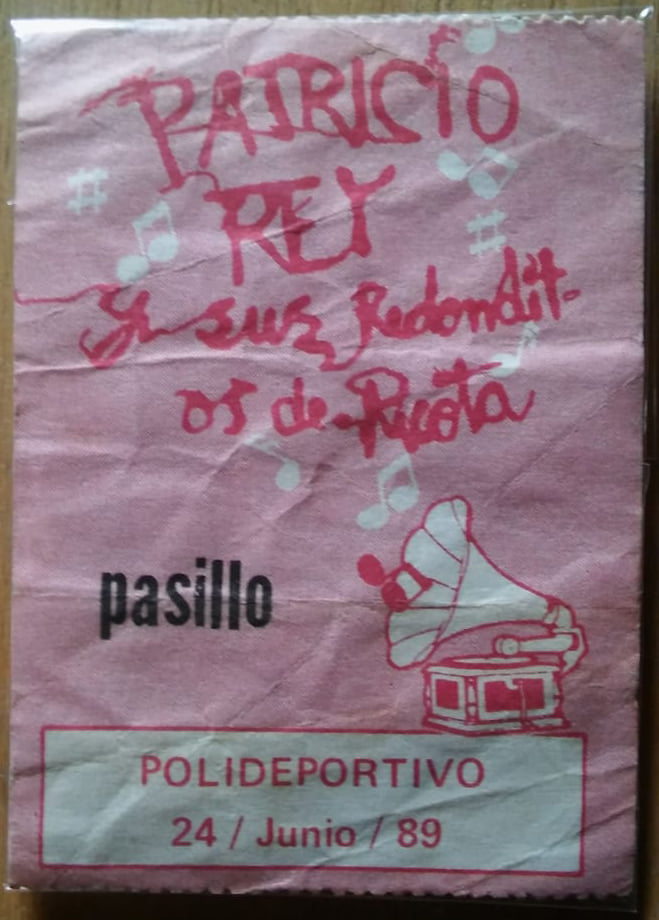
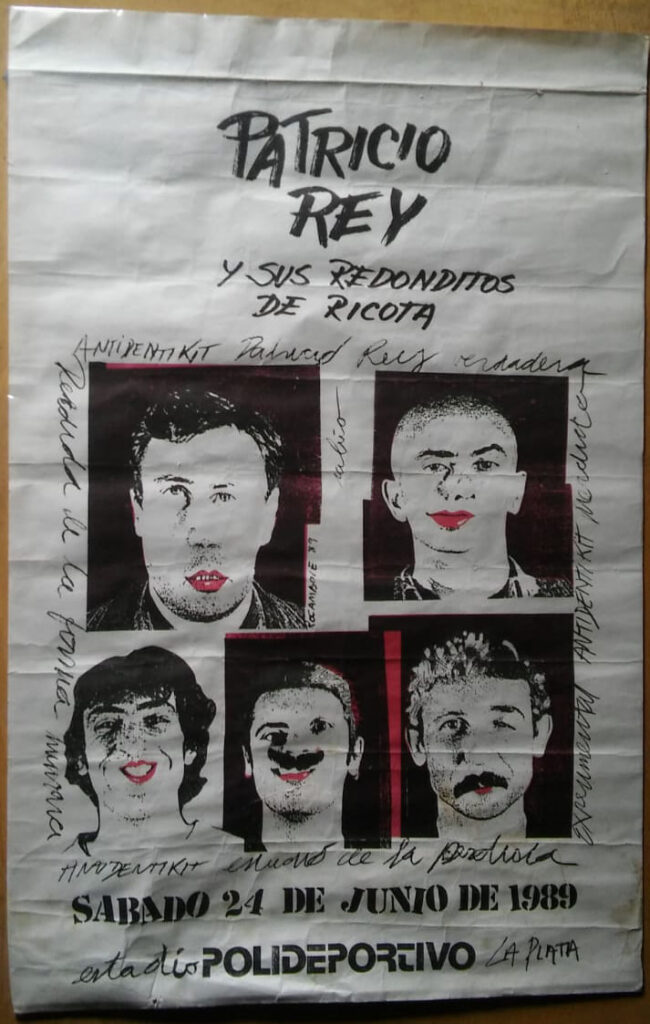
Those shows had their own logic. The band was not just looking to play songs, but to build an experience that would surprise the audience and break with traditional formats.
In those years, El Indio began to transform into a recognized figure within the artistic environment of La Plata, with a personality marked by irreverence and a critical view of society.
The ricotero heart in the city
Another key point in history was the old Rodrigo Passage, a space where meetings and rehearsals linked to the formation of the band began to take place.
Together with Skay and other musicians, Solari gave shape to a project that at first seemed impossible to size. With the passage of time, that La Plata adventure would become one of the largest cultural movements in Argentina.
Also places like the La Vitrola record store, where tickets for the recitals were sold, became meeting points for a community that was beginning to grow.
A relationship that was never broken
Although the ricotero phenomenon transcended borders and ended up drawing crowds throughout the country, La Plata always held a special place in the history of Indio Solari.
The city was the scene of his first dreams, his first artistic experiences and the meetings that gave rise to one of the most important Argentine rock bands.
Therefore, when saying goodbye to Carlos Solari, thousands of fans look towards La Plata again. Because before being a symbol of multitudes, the Indian was a young man who traveled through those diagonals imagining new ways of making art.
And from there began a story that still continues to resonate.