

The prestigious company inaugurated its 2026 season by adapting a classic by Simon and Delibes to the «danced story» format. The value of the independent circuit, the challenges of costumes and the brilliance of a cast with its own identity.
Por Galo, Maíl
The Abasto cultural circuit experienced a day of celebration. The El Cubo Theater hosted the last scheduled performance of «Coppelia and the Magic Toymaker»the ambitious proposal with which the company Baires On Ballet officially inaugurated its 2026 season. After three consecutive weeks on the billboard, the work said goodbye, consolidating a difficult but successful premise: transforming a pillar of universal ballet into an accessible, playful and intergenerational experience.
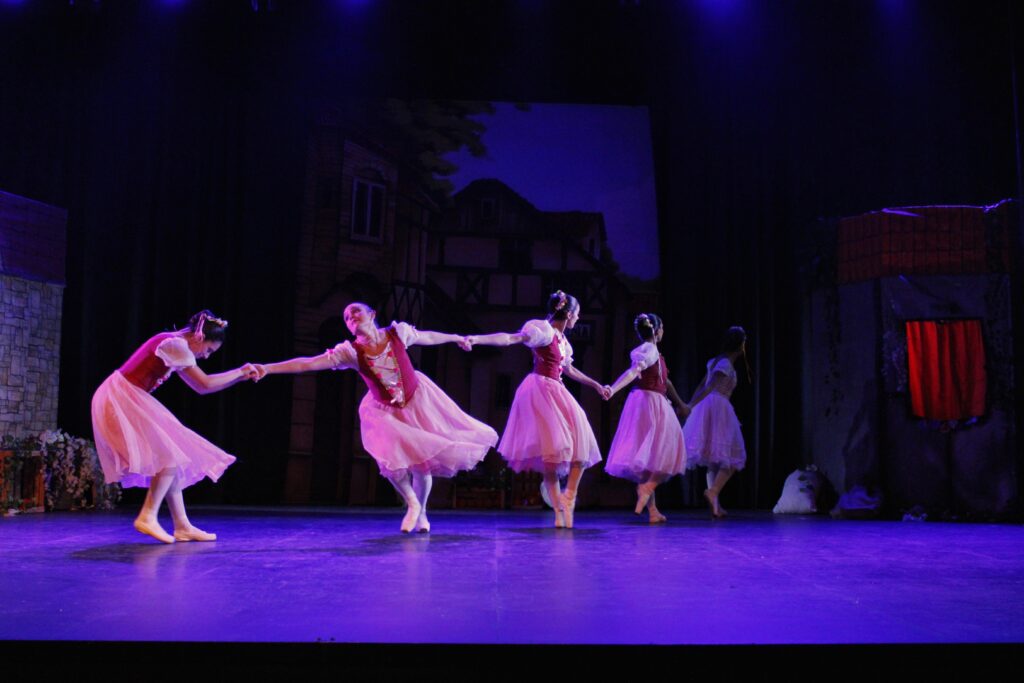
The weight of the story behind a comic classic
To understand the impact of this setting, it is necessary to go back to its origins. Coppélia —originally premiered at the Paris Opera in 1870with choreography by Arthur Saint-Léon and the iconic score by Léo Delibes—was a turning point in the history of ballet. Based on the dark story The sandman by ETA Hoffmannthe original work softened the gothic terror to transform it into one of the most perfect romantic and costumbrist comedies of academic dance.
On this occasion, the choreographic and libretto adaptation by Paula Mejía and Luján Costa (based on the renowned version by Laura Fiorucci/Fiorucci Projects) recovered that festive spirit but focused on the «danced story» format, cutting the traditional solemnity to enhance the direct connection with the contemporary viewer.
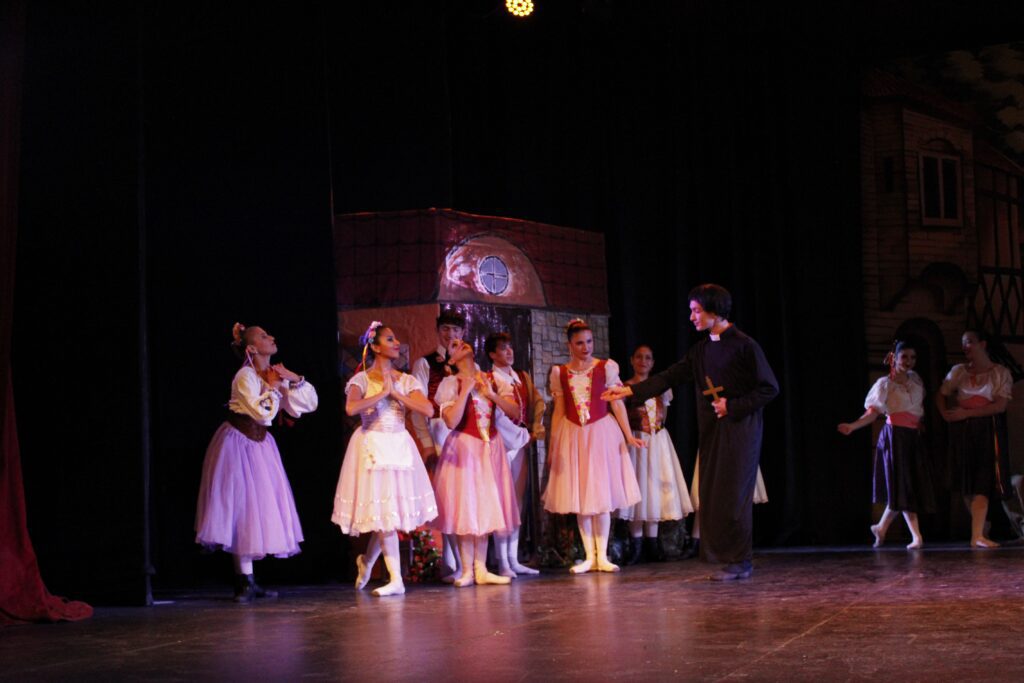
The Cube: A setting for fantasy
The choice of The Cube Theater It was not minor and ended up defining the aesthetic identity of the show. Located in the iconic passage Zelayathis space stands out on the Buenos Aires scene for its modern theatrical architecture and its imposing stage. Far from the formal distance of traditional opera houses, the dimensions and proximity of the independent room played in favor of the narrative. The public was able to fully immerse themselves in the intimacy of that small village and, fundamentally, in the almost industrial and mysterious atmosphere of Coppelius’s workshop, resignified thanks to an intelligent lighting design.
Charisma on stage and the value of the debut
The display of more than twenty artists on stage found its highest points in the main performances. Rocio Ruiz She embodied a charming and technically impeccable Swanilda, whose expressiveness and mischief guided the pulse of the plot’s entanglements. At its side, the function had a consecratory character due to the debut of Luciano Leiter Marangoni in his first leading role; The dancer assumed Franz’s variations with elegance, freshness and notable solidity in the jumps and turns.
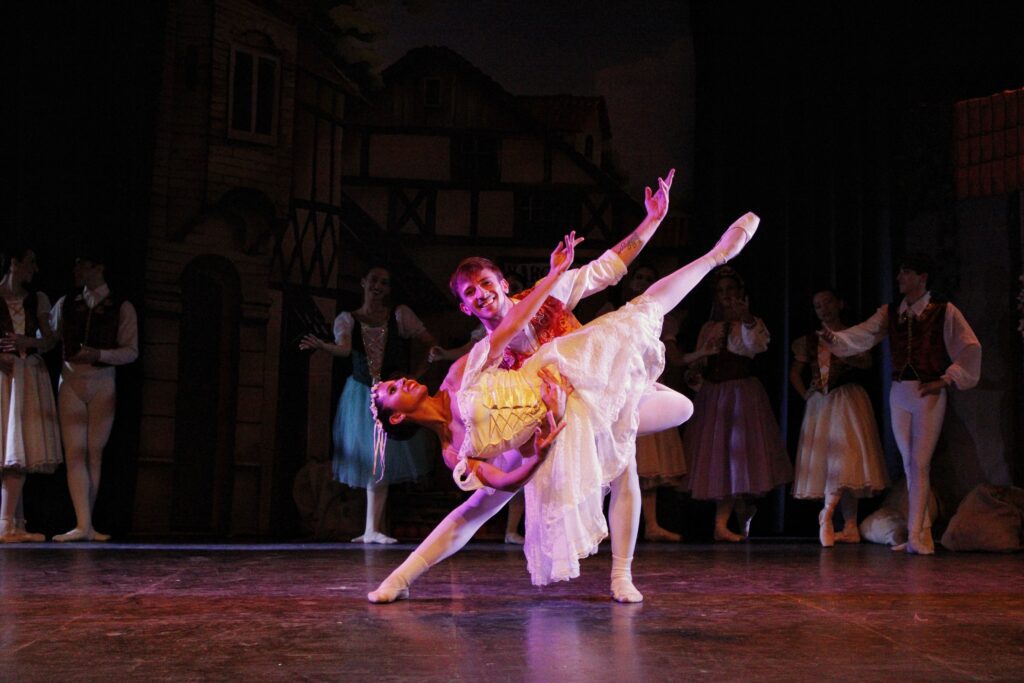
On the other hand, the audacity of the management in choosing Laura Lifschitz To put himself in the shoes of Doctor Coppelius he paid handsomely. Traditionally played by men, the eccentric toymaker here gained a fascinating bodily expressiveness. Its passages of physical humor in combination with the millimeter work of the soloists and the corps de ballet in the role of automatons functioned as the visual climax of the afternoon. In this mechanical universe, the roles of Estefany Di Camillo, Luján Costa, Macarena González, Victoria Correia Da Silva, Francheska Chávez Molina, Abril Torres and Anastasia Belinco stood out.
The choreographic ensemble was completed and looked solid thanks to the enormous technical commitment and synchronicity of the entire cast, composed of:
@alex.ihy @cristianasd1998 @ani.massa @mayalavayen @macarenagonzalezlarraya @tefyclass @denu_lopezz @vickyyycorreia @fran_chavezm @abril_tdt @cele.riscino @colo_belinco Group cohesion was the real key to sustaining the energy of the village from start to finish.
Aesthetics and character in the locker room
The costume design was another of the pillars that supported the verisimilitude of the work. In the collective acts of the village, the textures and colors provided the folkloric warmth typical of Polish dances (such as the mazurkas and czardas inherited from Delibes’ score), dressing the stage with color and dynamism.
The visual balance between classical tradition and the practicality of independent theater was extremely successful.
A positive balance for independent dance
Baires Sur Ballet started the year setting the bar high, demonstrating that classical ballet has a fertile space in the independent venues of Buenos Aires. Technical Service Sheet:
El Cubo Theater (Zelaya 3053, CABA)
Work: Coppelia and the Magic Toymaker
Company: Baires Sur Ballet (Instagram: @bairessurballet)