

By: Galo, Maíl
Stopping to listen to the body is not a luxury, but a necessity. Among the various therapies that seek to restore balance, Shiatzu It stands out as one of the most profound and effective. But what exactly happens when we receive this ancient technique?
A bridge between two worlds
The Shiatzu (which in Japanese means «pressure with the fingers») is an ancient, traditional manual therapy, inherited by the Japanese, in which breathing and the use of the body in favor of gravity are coordinated to press specific points postulated by the Traditional Chinese Medicine. The fascinating thing about this discipline is its hybrid nature: although its roots sink into the Traditional Chinese Medicine and the management of energy channels (meridians), its practice is deeply founded by modern knowledge of anatomy and physiology. Two worlds that feed each other and enhance their particular wisdom.
It is worth observing the difference between the modern Shiatsu of Master Tokujiro Namikoshi, and the ancient Shiatzu. Although they have a similarity and both therapies are recognized in Japan and have wonderful effects, it is the Ancient Shiatzu who maintains the closest relationship with traditional Chinese medicineinviting the body’s energy to move in its natural, original cause, thus promoting its self-healing capacity.
Beyond relaxation: Real benefits
Unlike a conventional massage that only seeks to relax the muscle, Shiatzu works comprehensively. Some of its most notable benefits include:
Stress management: It acts directly on the parasympathetic nervous system, reducing cortisol levels and improving sleep quality.
Physical recovery: It is a powerful tool to relieve lumbar and cervical pain and chronic contractures without invasive maneuvers.
Internal stimulus: It promotes blood and lymphatic circulation, which enhances the immune system and helps regulate digestive processes.
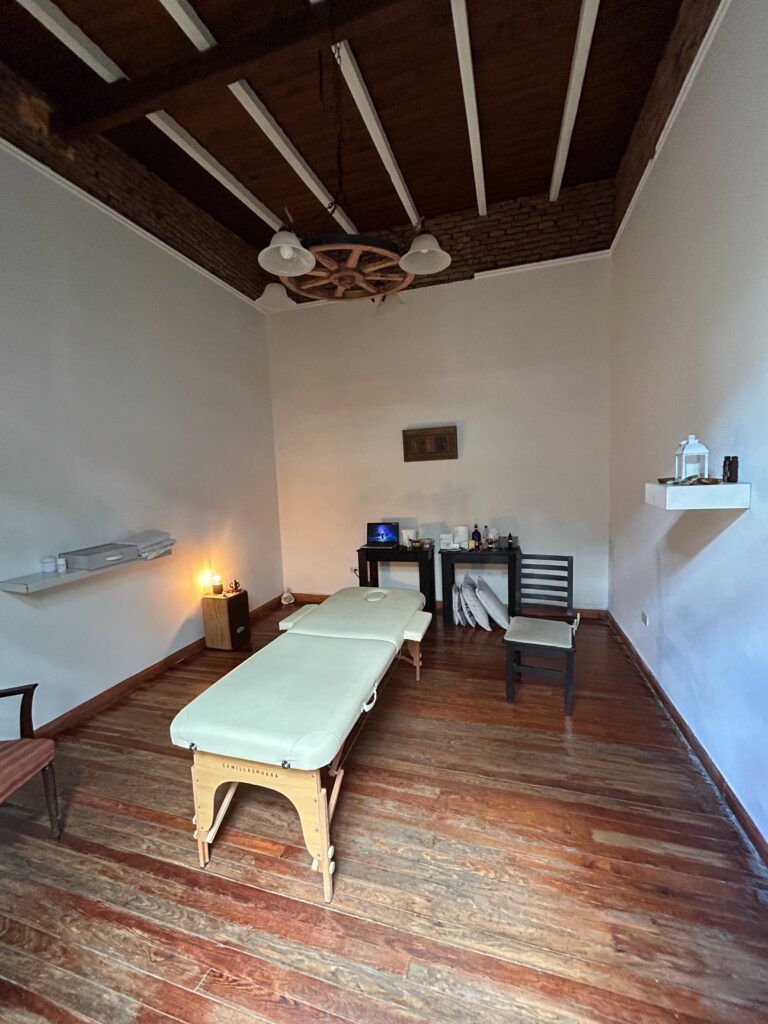
Entering Agustín’s space is like leaving the noise of the city at the door. There is the smell of wood, a dim light that lowers your heart rate and a promise: that your body is finally going to be heard. Shiatzu is not just pressing points; It is a silent dialogue that seeks to restore balance in a world that does not stop.
Interview: Hand in hand with Agustín Morcillo
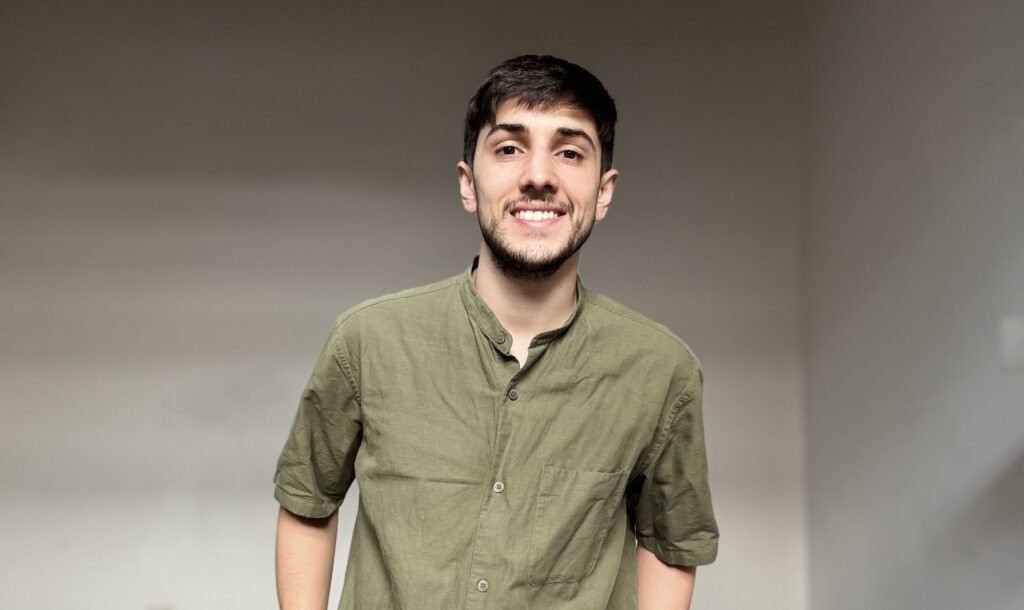
— For those who have never tried it, what is the fundamental difference between Shiatzu and a traditional relaxing massage? How did you know the technique?
— It is difficult to talk about a single difference when Perhaps the most important thing is the framing. In the sessions, not only the contracture or discomfort is worked on (which would be the focus), but it is also a invitation to regulate the energy channel of the body (the origin).
It is worth clarifying that it is not a purely energetic therapy, as Reiki can be, for example; in the shiatzu It works with concrete and real pressure from the fingers, fists, elbows and forearms, dismantling knots, mobilizing joints and releasing tensions.. I learned about the technique, like many important things in my life, almost by chance: I was looking for holistic manual therapy and they referred me to the school where I finally learned Shiatzu and fell in love with this discipline.
— In Shiatzu there is a lot of talk about energy “meridians.” How does that translate into real physical relief?
«We can say that many times physical pain has its root in an energetic disturbance. When Qi stagnates, it generates inflammation.»
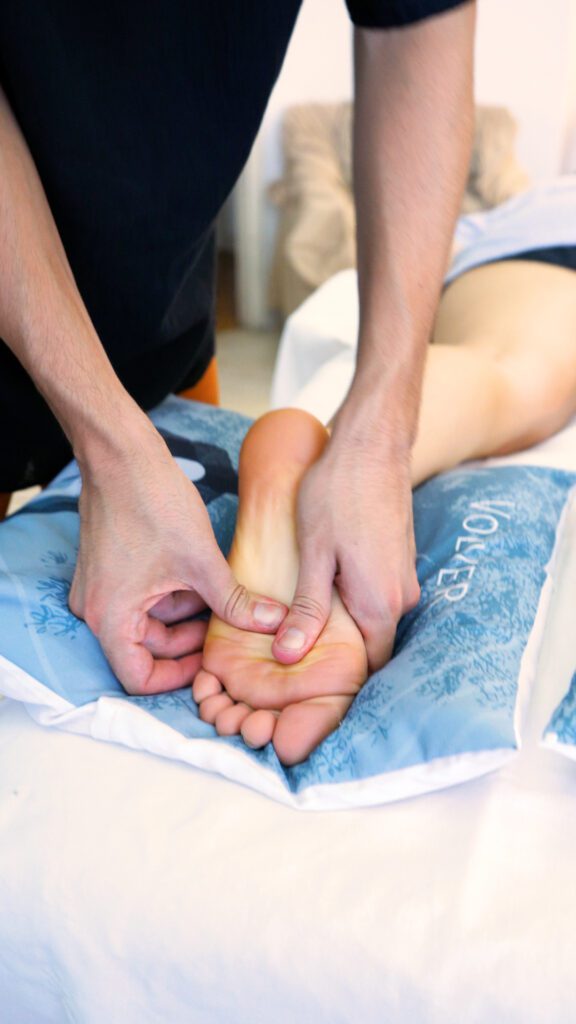
«I learned about the technique, like many important things in my life, almost by chance»
— We can say that many times physical pain has its root in an energetic disturbance. When Qi (energy) does not circulate properly, it stagnates and generates inflammation, pain or emotional instability. Shiatzu promotes correct circulation of the meridians, facilitating the restoration of normal body functions. For the Chinese worldview “Everything is Qi”; In its most subtle expression it is bioenergy, but in its most tangible form it is matter and body. By working on one it is possible to modify the other. Isn’t it amazing?
— It is curious that it is done with clothes and on a futon on the floor. What advantage does this modality offer?
— The objective of the futon is to be able to use the weight of the body in favor of gravity. Pressure without this combination would not have the same effect. In relation to clothing, it allows certain sliding and friction that activates the channels. In any case, as long as the technique is maintained, it can be done on a stretcher; A few years ago I started using it taking into account that for many people with less mobility getting to the floor becomes very difficult.
—Why is it said that it is a “preventive medicine”? — By guaranteeing the correct energy flow, the body recovers its capacity for self-regulation. It becomes a terrain less vulnerable to attack by pathogenic factors and with greater capacity to recover internal homeostasis.
— After years of practice, what continues to surprise you the most?
— The capacity for deep relaxation that is achieved, because it crosses not only the muscular plane, but also It is reflected in psycho-emotional well-being. No one leaves the session without feeling immensely lighter. One also learns to “listen” to bodies; It really seems like they are talking to you and indicating where the compromised areas are. That exchange is extraordinary.
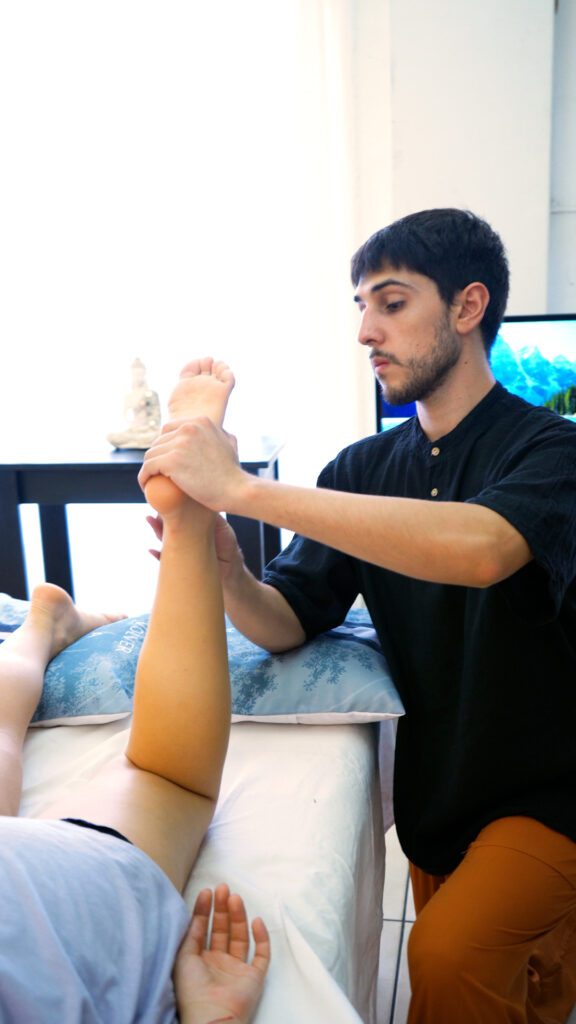
“There is no one who leaves the session without feeling immensely lighter, and with a state similar to that achieved in a meditation.”
— What were your biggest challenges and what is the most rewarding?
— I think the biggest challenge is understanding that each person is different and needs a personal and non-transferable approach. It is essential to practice active listening and be attentive to what the consultant requires at that moment.. And the most rewarding thing is being an agent of change. When the person leaves with a different appearance or you receive that message that says “I feel much better”, it is a hug and an impulse to continue with this task that I love.
Contact and services:
Agustín Morcillo is a Therapist at Return to Onea space to recover harmony through acupressure, cupping therapy and moxibustion.
- Instagram: @volverauno
- WhatsApp: +54 11 6797 8205