

By Galo, Maíl
There are works that allow us to distance ourselves from what is happening on stage. Silences does exactly the opposite: forces the viewer to stay inside a house where violence never rests. The work, presented in Boedo XXI Theater, builds a suffocating story about control, fear and lack of empathy within a bond crossed by gender violence.
The horror behind the door
Silences is set inside a house inhabited by fear. Violence appears from everyday life. In comments about how Well he dresses, in constant questions, in the control over his cell phone and in the obsessive need to dominate every aspect of his life.
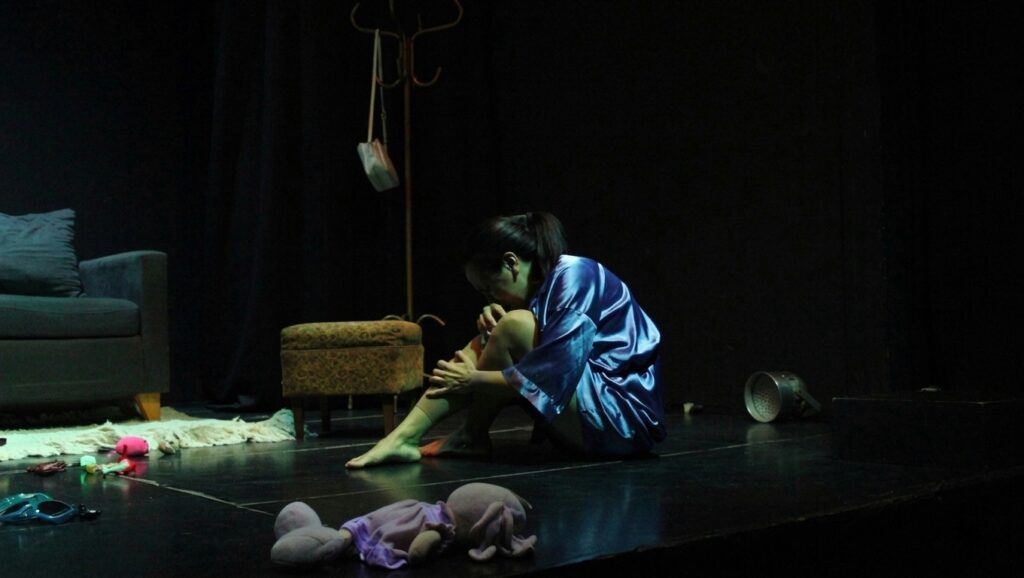
Therein lies one of the great successes: showing how violence is built from indirect gestures until it becomes unbearable.
Carlah Nucin plays Well from a sensitive and vulnerable place, but without turning her solely into a victim. Ana functions as a representation of many women who maintain destroyed bonds while trying to survive emotionally and physically within them.
The aggressor as center stage
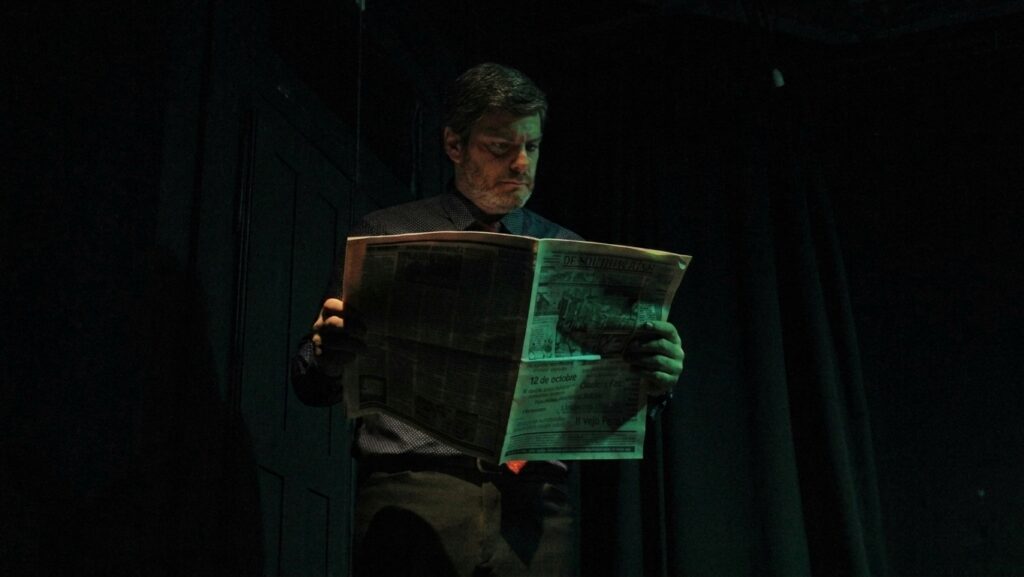
He is the representation of an obsessive and possessive control system that does not allow compassion. Seeing Ana—who speaks for everyone— trapped in that web of violence, the public’s discomfort becomes a absolute repudiation. It is a «reverse empathy»: we are not there to understand it, but to feel the urgency for that structure to break.
Matías Ge build a character full of violence, frustration and a constant need for control. His presence dominates the scene and forces the viewer to live with him, listen to his justifications and feel the weight of his silences.
Theater against gender violence
The piece advances on dynamics of control, manipulation and emotional violence that grow scene after scene until they become completely oppressive and overwhelming. And it is precisely there where it stops feeling like just a play and becomes a complaint. Nothing that happens on stage seems distant: everything refers to recognizable, everyday and deeply real situations.
The daughter’s presence functions as a reminder that violence is never private; It is expansive and contaminates the entire filial environment. Through apparitions that challenge the fragility of the mother, The work exposes how the child’s gaze tries to process everyday horror.
The conflict results in a destructive paranoia: The aggressor perceives the bond between mother and daughter as a threat to his dominance. Under the premise that «nothing ever reaches them,» the perpetrator shifts his hatred towards the most vulnerable. The outcome is not fortuitous, but the logical conclusion of a structure that prefers total annihilation rather than loss of control.
Bodies as territory of tension
Music invades the space emotionally and the bodies begin to speak from another place when an unexpected moment is introduced: a musical and choreographic sequence that momentarily breaks with the raw tone of the work. Ana tries to get closer, to generate a moment of connection, humanity or affection. He, on the other hand, seems incapable of surrendering to any emotion that is not crossed by control.
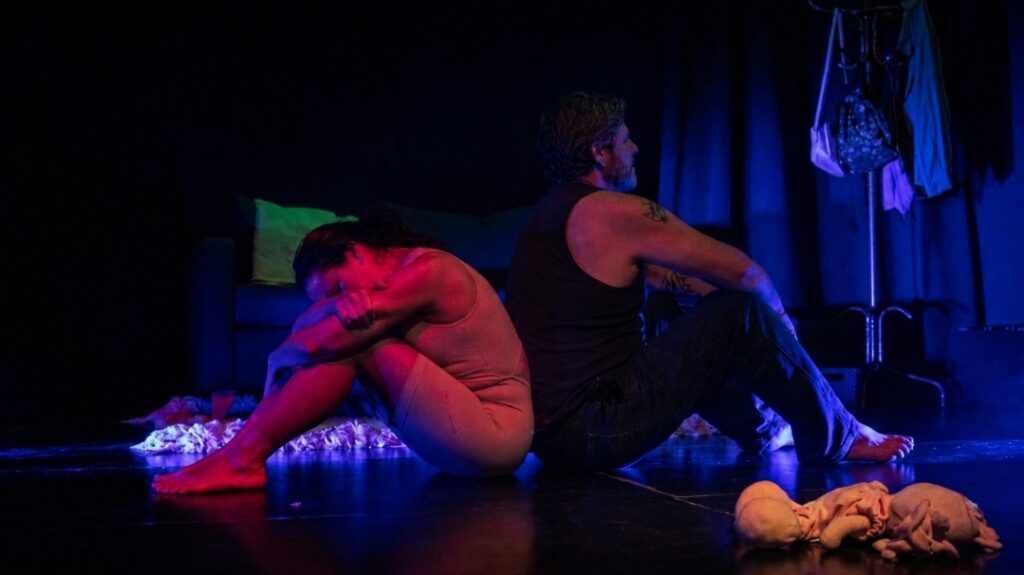
It is one of the most interesting scenes in the play because transforms violence into something physical and sensitive. There is no longer a need for the character to shout or attack verbally: rejection, distance and tension appear in every movement.
The sequence works almost like a false pause. For a few minutes a different possibility seems to open up, but it quickly makes it clear that in relationships marked by violence, small gestures of apparent tenderness are not enough. The threat is still there, latent, even when the work changes rhythm and stage language.
With dramaturgy and direction Lisa Banegas, Silences bets on a theater that does not seek comfort or escape, but reflection.
Technical sheet
Work: Silences
Direction and dramaturgy: Lisa Banegas Assistant director: Martin Di Pierro
They act: Matías Ge y Carlah Nucin
Sala: Boedo XXI Theater