

The historic reggae band will perform in La Plata with «Desenchufados», an intimate format that remakes their classics. In dialogue with this medium, Martin “Fito” Mortola He talked about the group’s present, the experience of recording in Jamaica, the new album that will arrive in September and the validity of a band that never stopped reinventing itself.
With more than three decades of experience, Nonpalidece is going through one of the most fertile moments of his career. After presenting Made in Jamaica and its recent version Made in Jamaica Duba project that deepens the dub sound together with the prestigious Jamaican producer Tippy I, the band continues to explore new paths without losing the essence that made it one of the greatest references of Argentine reggae.
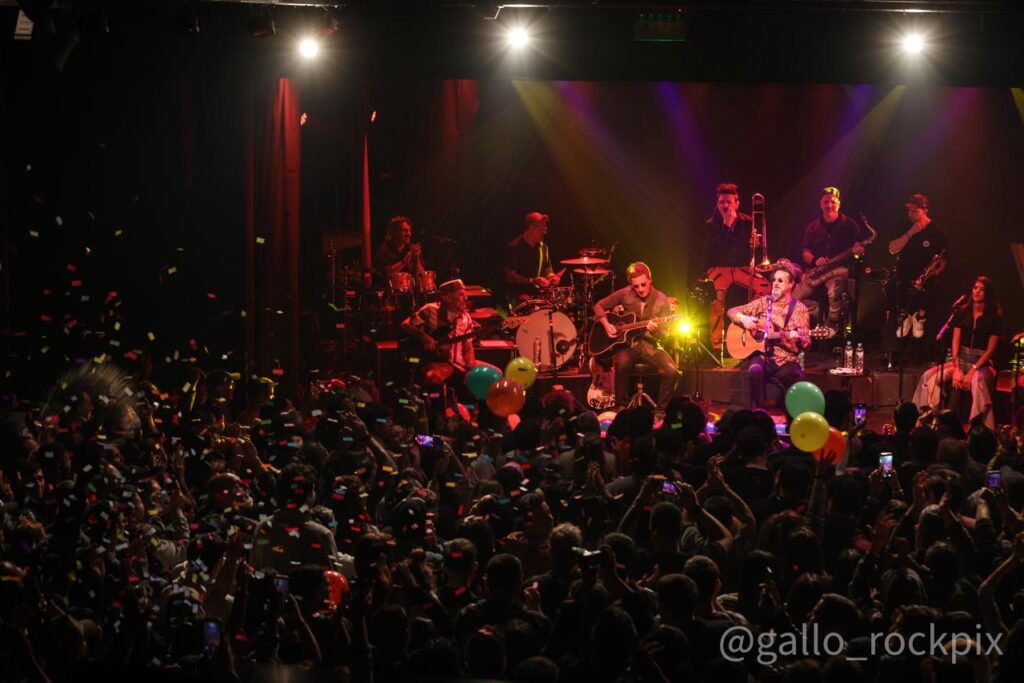
Now, the group arrives in La Plata with «Unplugged»an acoustic tour that proposes a different journey through their repertoire: less electricity, more closeness and the same spirit that has accompanied them for almost 30 years.
In advance of the show, Martín «Fito» Mortola, keyboardist of the band, spoke with this medium about the bond with the La Plata public, the artistic present of Nonpalidece, the challenges of staying current and the new studio album that will be released in September.
—What expectations do you have for this return to La Plata?
—La Plata is a very rock city, and we are a reggae band, so the connection goes that way. Argentina, in itself, is a very rock country.
—What can the public expect from this show?
—It is not a show framed within Made in Jamaica. It’s an acoustic show, we wanted to do something different. The tour is called Unplugged precisely for that reason. It’s us on stage playing the same old songs, but in a different format.
—Will there be guests or surprises?
—No, in principle it’s us playing acoustic. Afterwards, if someone wants to get on stage, no problem (laughs), but the idea is to offer a different proposal for our audience.
—After so many years of career, what continues to drive you to go on tour?
—We have a very strong connection with people. We already know many of their faces from coming to see us so much. We have been playing for more than 30 years and that bond is still the most important thing.
—Made in Jamaica It marked a before and after for the band. What did it mean to record there?
—It was a huge experience. Jamaica is the cradle of reggae and being able to record in historic studios, where Bob Marley worked, with musicians directly linked to that tradition, was very important for us. We recorded at Harry J Studio, Tuff Gong and Anchor Recording Studio. It is a way to connect with the roots of this music.
—Then it came Made in Jamaica Dub. What did that project allow you to explore?
—Dub is part of the history of reggae. We were interested in taking those songs to another sound universe. Working with Tippy I was very enriching because he did the mixes live, manipulating the sound in real time, something very typical of the Jamaican tradition. The result ended up being a completely different work, although born from the same songs.
—How did Nonpalidece change from their first albums to today?
—We always try to do different things. Within reggae, but without repeating ourselves. No album sounds the same as the previous one. We like to explore without losing our identity.
—What moments marked the history of the band?
—There were many. That artists like Fito Páez or Fabiana Cantilo have participated in our albums was something very important. They are moments that remain forever.
—How do you see the current situation of Argentine reggae?
—We coexist very well with everything new that appears. There were always changes and new generations. Each era has its characteristics.
—Are there current artists that interest you?
—Yes, we coexist very well with musicians like Wos or Willy Bronca. We listen to new things and we always try to incorporate elements that we find interesting.
—What creative moment are you in?
—We are finishing a new album that will be released in September. It doesn’t have a name yet, but we are already working very hard on it. It will continue the line of what we have been doing.
—What is the creative process like today?
—We continue writing songs and looking for things that excite us. The important thing is to stay active and want to continue learning.
—What challenges does a band with so many years of experience have?
—Each stage has its advantages and difficulties. I don’t think it’s easier to reach the public today than before. They changed the tools, but it is still difficult. We are privileged because we live off music, and in this country that is a luxury.
—What does reggae represent for you today?
—It’s part of who we are. But personally I hear everything. I studied at a conservatory and I am always learning about other genres.
—Do you have any pending goals left?
—I don’t think too much about that. I am interested in continuing making music, learning and enjoying the road.
—What advice would you give to a band that is just starting out?
—I don’t like to give advice because each group has to follow its own route. If I had to say something it would be just that: find your own way. The best advice, many times, is not to give any.
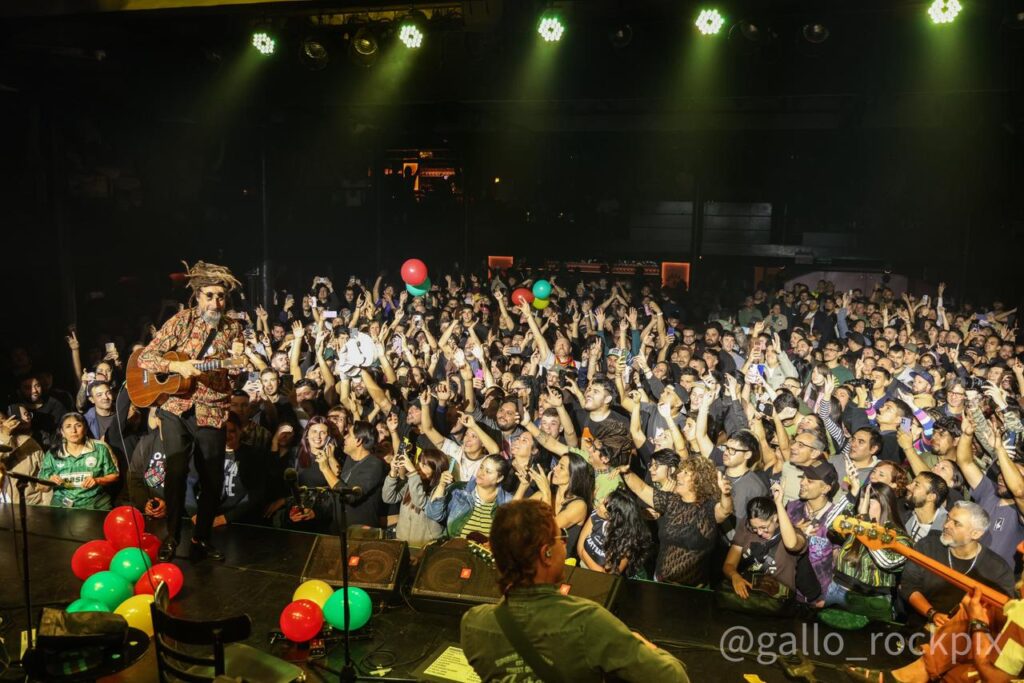
As he prepares the release of his next studio album, Nonpalidece continues to prove that his story is far from stopping. The acoustic tour appears as a new example of that permanent search: returning to their classics from another perspective, keeping intact the connection with an audience that has accompanied them for decades. After almost 30 years of career, the band continues to find new ways to sound while remaining the same.